Latest News
SLRSA Videos
H.E Julius Made Bio
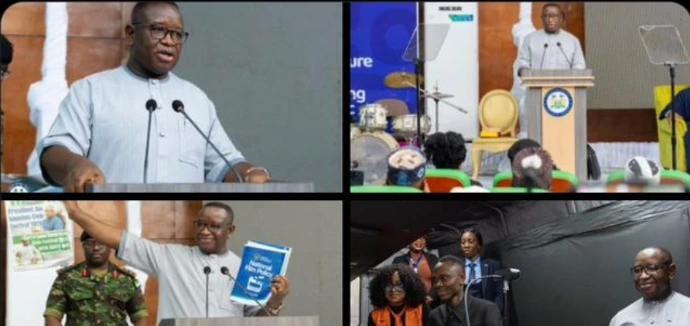
"This evening, I inaugurated this year's Civic Festival, a platform for citizens to actively engage and discuss governance while showcasing work from diverse sectors.
I also launched three policy frameworks and made a decisive proclamation to fulfill a key recommendation of the Truth and Reconciliation Commission, establishing 18th January as National Remembrance Day"
The First Gentleman of the Republic of Sierra Leone to use the SLRSA Mobile License to register.
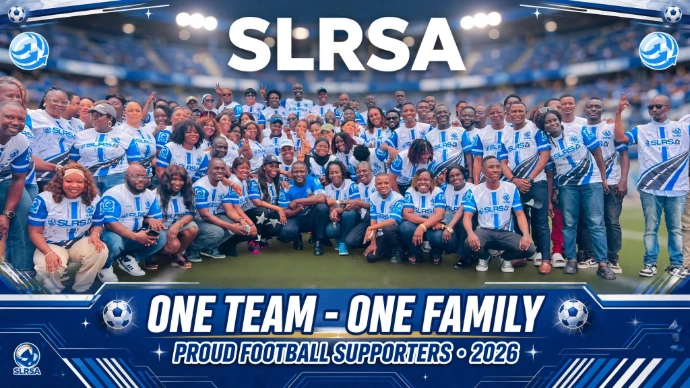
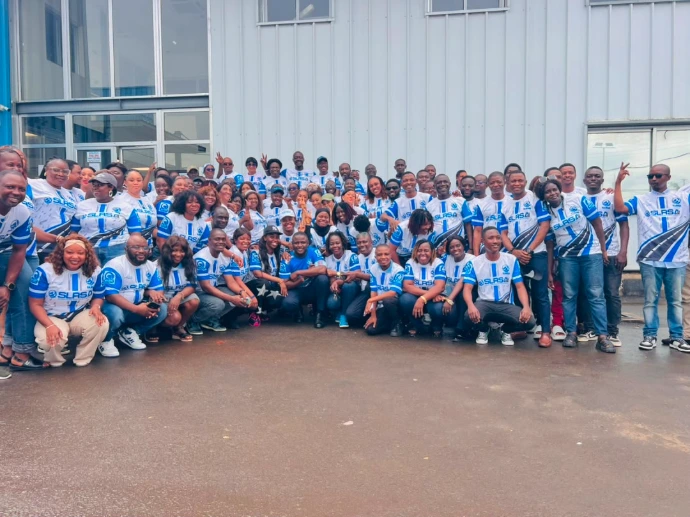
SLRSA Unveils Supporters’ Jersey Ahead of MDA League Debut
Public Relations Unit
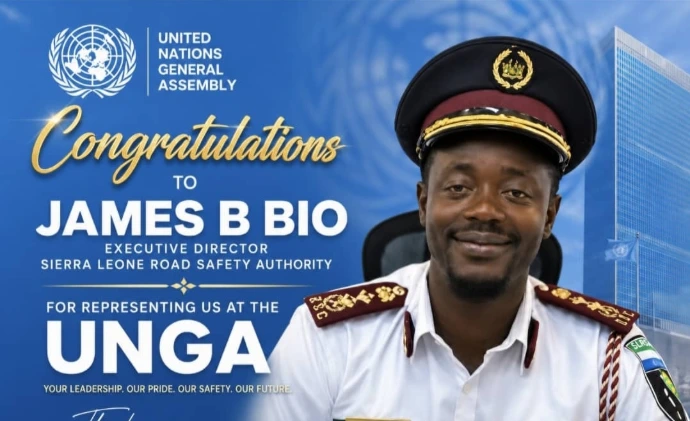
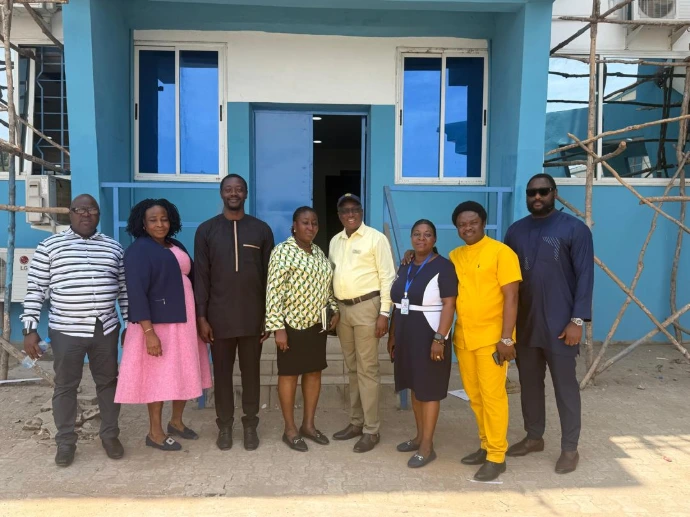
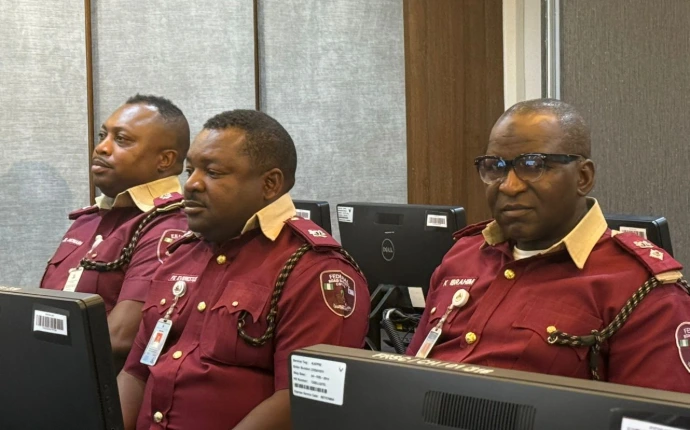
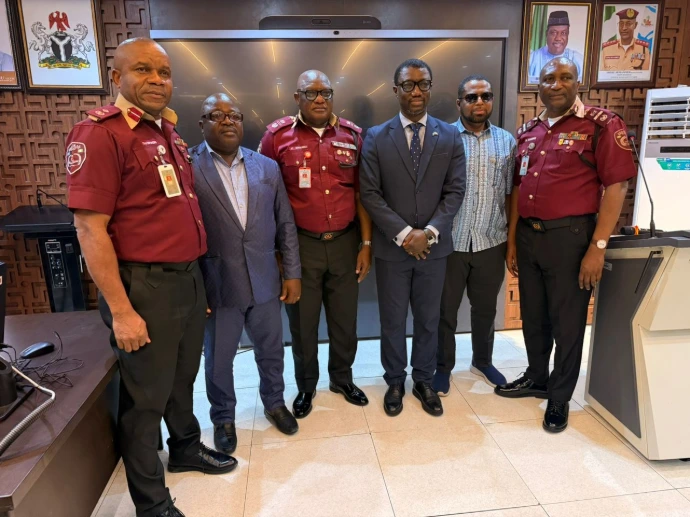
𝐒𝐋𝐑𝐒𝐀 Meets with Nigeria Federal Road Safety Corps
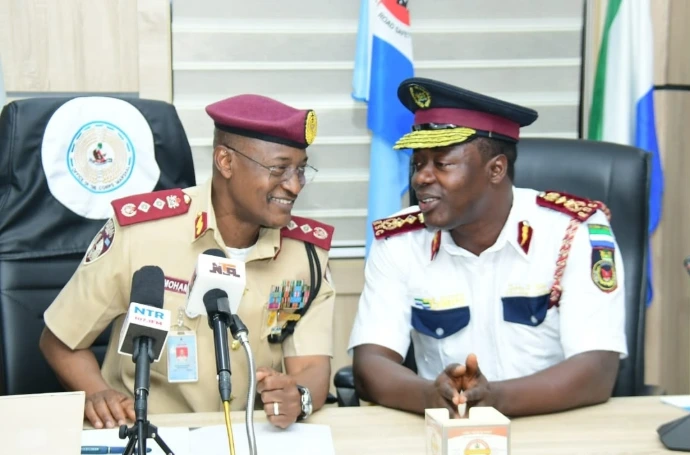
The Federal Road Safety Corps (FRSC) has once again reinforced its status as the gold standard for road safety management on the continent, receiving the Director General of the Sierra Leone Road Safety Authority (SLRSA) Mr James Baggie Bio and his delegation on a strategic study tour. The visit is a resounding endorsement of FRSC's globally recognised operational model and speaks volume of Nigeria's emergence as Africa's foremost exporter of road safety expertise, innovation and institutional excellence.
More than a bilateral engagement, the visit signals a new era of regional integration built on shared knowledge, capacity development and strategic collaboration. As the continent's leading road safety institution, FRSC continues to transform its hard-earned successes into a continental asset, equipping sister agencies with proven strategies that save lives, strengthen institutions and accelerate Africa's journey towards safer roads.
Federal Road Safety Corps Nigeria's Facebook Post

𝐒𝐋𝐑𝐒𝐀 𝐁𝐨𝐬𝐬 𝐑𝐞𝐜𝐞𝐢𝐯𝐞𝐬 𝐀𝐜𝐜𝐨𝐥𝐚𝐝𝐞𝐬 𝐅𝐫𝐨𝐦 𝐏𝐀𝐂
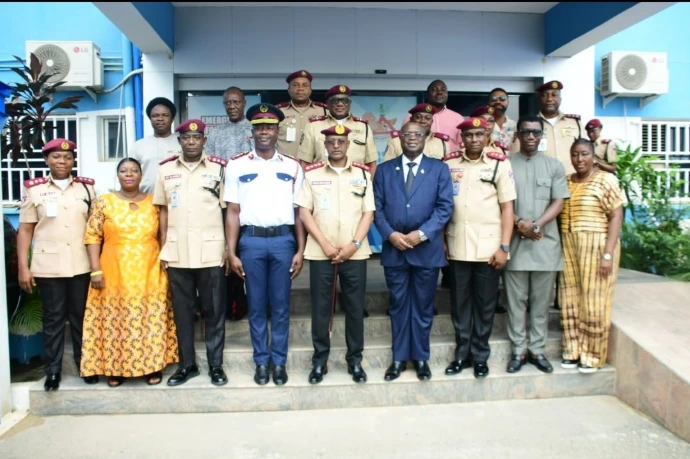
During a recent Public Accounts Committee session on Tuesday, June 3rd, held at the Parliament Administrative Building, the Sierra Leone Road Safety Authority (SLRSA) distinguished itself amidst various departmental reviews. Members of the committee did not hold back in their praise for the authority. The committee Chairman, Hon. Tawa Conteh, who also serves as the Deputy Speaker of Parliament, expressed admiration for SLRSA's Director, James Bio, highlighting his exceptional leadership, unwavering dedication, and commitment to public service.
Hon. Deputy Speaker, remarked, “Many sceptics questioned his appointment, thinking it was merely a matter of name. However, he has decisively proven his worth through his exemplary performance." He praised James Bio's proactive leadership approach, noting his regular interactions with staff and hands-on supervision of operations. "If you happen to visit his office in the early hours, you will likely find him either out in the field with his team or diligently working at his desk. That kind of commitment sets a high standard for public servants,” he noted.
The Chairman also emphasized the Director’s impressive performance during the Committee’s inquiries. He noted that the thoroughness of Bio's responses indicated a deep understanding of SLRSA's functions and challenges. “Your ability to address all our inquiries clearly reflects your competence, preparedness, and commitment to your role,” Hon. Deputy Speaker asserted.
He shared an anecdote of witnessing the SLRSA Director supervising field operations while clad in safety gear with his team, describing it as a testament to true leadership and commitment to service delivery. Hon. Deputy Speaker underscored that effective leadership is measured by results and dedication rather than by titles or appearances. He acknowledged the SLRSA Director's determination to validate the trust placed in him and to enhance the Authority’s performance.
In closing, he commended the Executive Director for his professionalism, diligence, and commitment to accountability, encouraging him to uphold the high standards recognized by Parliament. These commendations emerged during PAC’s oversight proceedings, where members expressed collective satisfaction with the Director's guidance and management of SLRSA.
𝐁𝐲 𝐍𝐚𝐨𝐦𝐢 𝐀. 𝐒𝐚𝐦𝐮𝐫𝐚
Sierra Leone: How the New Look of SLRSA Was Achieved Within Just One Year
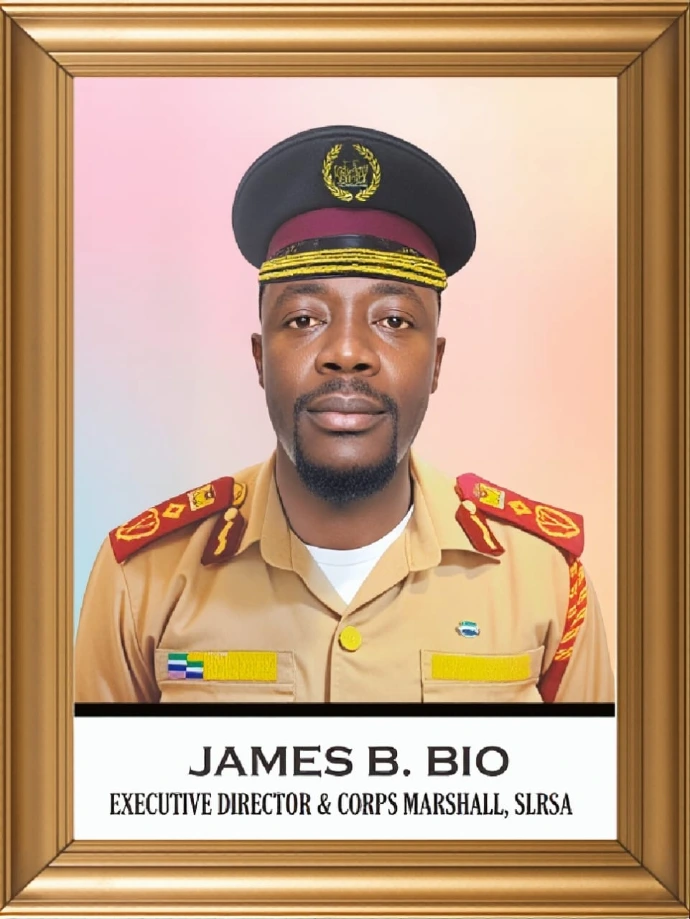
Since he was appointed Executive Director (ED) of the Sierra Leone Road Safety Authority (SLRSA) one year ago, James Baggie Bio, who previously served as the Deputy Executive Director (DED), has brought remarkable changes to the organisation.
He knows the nitty-gritty of SLRSA. He understands its challenges, having served as DED and participated in all the organisation’s major efforts to tackle those challenges in line with global best practices.
Little wonder that, within just a short period of his appointment a year ago, he has repositioned the entity, giving it a totally new look.
New Looks of SLRSA
- The ED and his team have decentralised virtually all SLRSA operations, including vehicle licensing, driver’s licensing, first aid services, vehicle fitness and testing, and routine vehicle inspections, not just to the regional level but to all district levels—an unprecedented achievement in the history of the organisation.
- Mobile vehicle licensing services are now being taken to the doorsteps of people’s homes and offices.
- Completion of a new ultra-modern head office on Africanus Road, Kissy, Freetown, which is scheduled to be officially commissioned for operations by President Bio in June.
- The ED is a team player who strongly believes in teamwork and the collective efforts of the current management.
- The ED is young and energetic, spending most of his time not in the office but in the field, gathering first-hand information on how to tackle pressing challenges.
- The ED has opened new windows for international collaboration and cooperation. His senior officials routinely embark on study tours to neighbouring countries such as Ghana and Nigeria to understudy issues such as vehicle lifespan regulations before vehicle imports enter the shores of Sierra Leone. This is aimed at improving safety standards.
Today, SLRSA is among the top-performing institutions in the country operationally, and is totally different from what obtained in the past.
By Abubakar Hashim @TheNews

SLRSA Concludes Global Road Safety Week In Kailahun
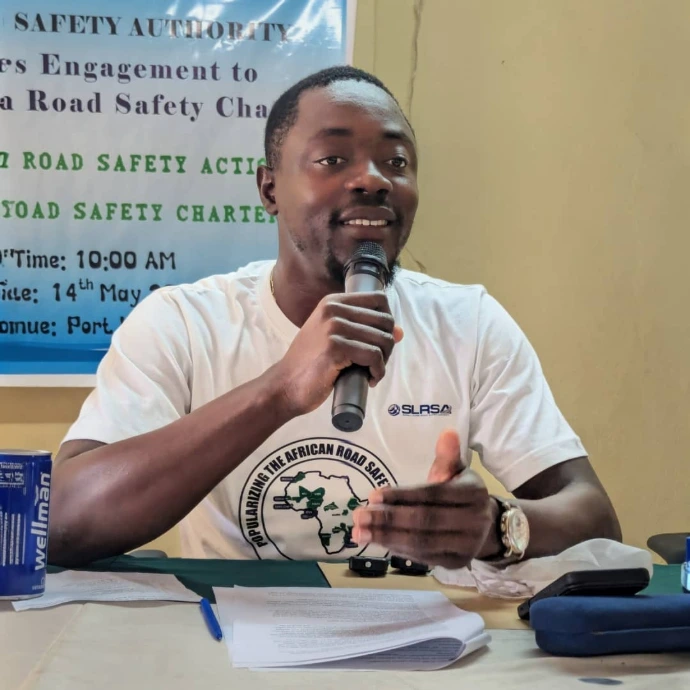
As parts of effort to enhance the decentralization of it activities and functions across the country, a delegation from the Sierra Leone Road Safety Authority (SLRSA), led by the Deputy Executive Director Mr. Josie Abraham Scott-Manga visited the Kailahun Court Barray on Thursday 14 May to mark Global Road Safety Week – 10 to 14 May 2026.
The team engaged traditional leaders, court officials, transport stakeholders and community members on this year’s global theme: “Accelerating Road Safety Actions through the African Road Safety Charter”.
The Paramount Chief of Luawa Chiefdom, Kailahun District Mohamed Sama Kailondo Banya welcomed everyone present on behalf of the Chiefdom Council of Elders and the entire people of Kailahun to a gracious stakeholders’ meeting. “You are warmly welcome to our district and to this iconic Kailahun Court Barray,” PC Banya added.
He furthered that they were well pleased and honored that SLRSA has chosen Kailahun people to engage them on the Global Road Safety Week and to speak on the African Road Safety Charter. “We pledge our support to this important message and assure you of our cooperation in spreading awareness among our people”.
In his keynote address, the Deputy Executive Director, Mr. Scott-Manga highlighted notable benefits of the Charter and the main purpose of engagement and the popularization of the African Road Safety Charter. Mr. Scott-Manga explained vital provisions of the Charter and urged local stakeholders to support its domestication and implementation in Sierra Leone. “To reduce the road traffic carnage, we need to avoid words and take responsibility of our actions on the road,” Mr. Scott-Manga stated.
“So I urge the Bike Riders Union: make helmet use your standard.
Drivers and riders: take valid licence. Drive safe; make our roads and road users safe.
Chiefs: support 30 km/h zones in your chiefdom.
Police and Road Safety Corps: enforce without fear or favor.
Youth and women’s groups: be the voice that says “slow down” when your husband, son or brother picks up speed,” Mr. Scott-Manga admonished.
The chairman of the occasion Mr. Abu-Bakarr Sheriff, Secretary to the Authority and Board, said it was a privilege and honor bestowed on him to serve as chairman of that important gathering, as they join the rest of the world to observe Global Road Safety Week, with a special focus on popularizing the African Road Safety Charter there in Kailahun. “What is the meaning of SLRSA, What is the function of the SLRSA?” were the few questions asked by the Chairman to ascertain the visibility and viability of SLRSA in Kailahun District.
Mr. Sheriff stated that road safety matter touches every family in the district, many people have been lost or injured due to preventable accidents and the engagement gave all present the opportunity to reflect, to learn, and to commit to safer practices on our roads.
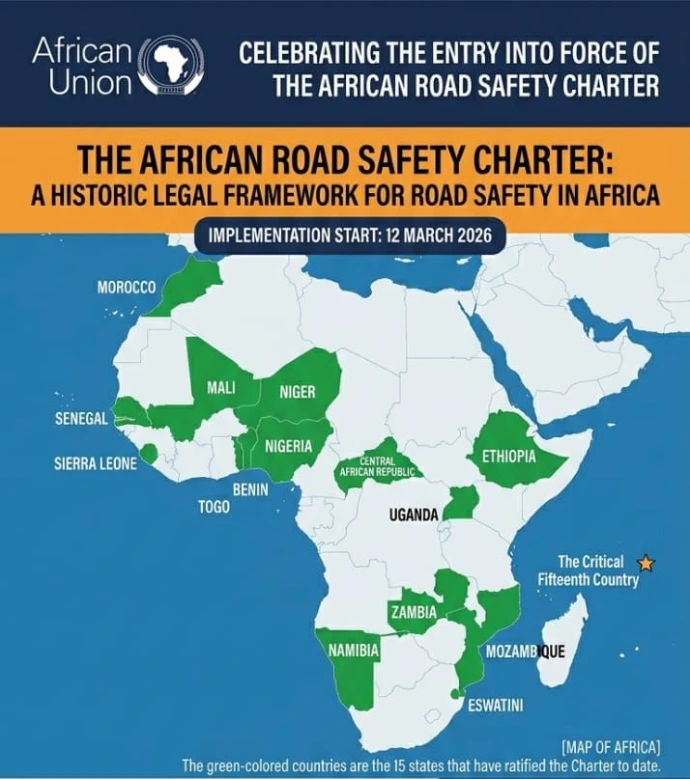
Sheriff Esq. Further stated that in July 2025, the Parliament of Sierra Leone rectified the charter, after the ratification, himself and Hon. Rex Bonapha, the Deputy Minister of Transport and Aviation deposited the instrument at the African Union in Addis Ababa, Ethiopia. According to him, the document requires fifteen (15) countries to rectify and deposit before it becomes a binding law for the entire African. Sierra Lone was the 14th country to rectify this Document. Quite recently Mozambique adds to the counting making it fifteen (15). So the African Road Safety charter has entered in force and article 22 of the charter provides for its popularization, so that everyone will know about it because road safety is everyone’s responsibility.
He appreciated SLRSA for bringing the message to Kailahun and for recognizing the role of traditional authorities and community leaders in driving change and urged all to listen attentively, participate actively, and leave there with a shared resolve to protect lives and uphold the principles of the Charter in their communities.
Meaningful contributions were made by all officials, emphasizing that safer roads require collaboration between authorities, community leaders, and road users. The event concluded with a call for collective action to reduce road crashes and protect lives in Kailahun and across the country.
www.slrsa.gov.sl
©Public Relations Unit-SLRSA
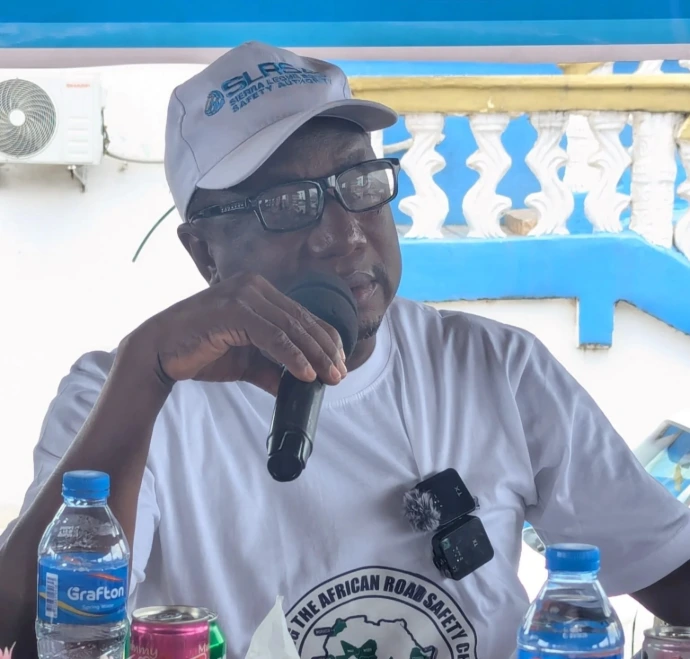
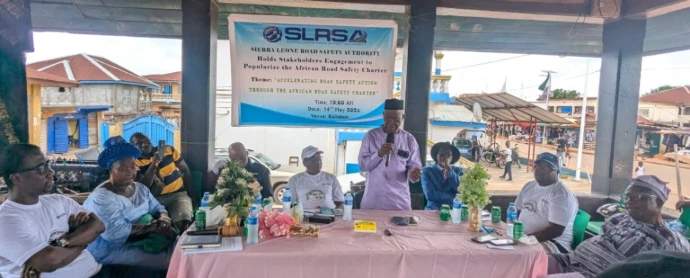
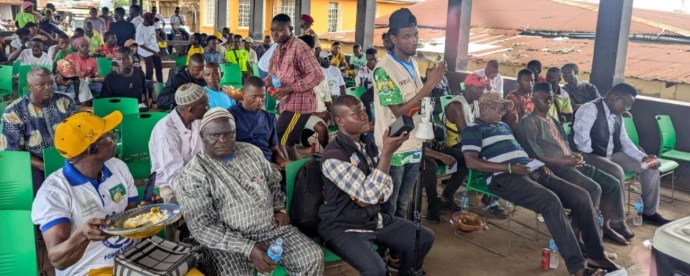

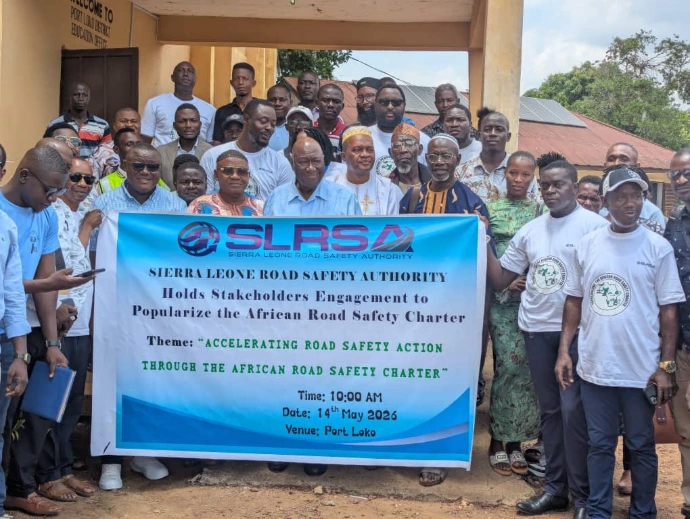
SLRSA Holds Stakeholders Engagement on 6th UN Global Road Safety Week
Freetown-Kissy Road
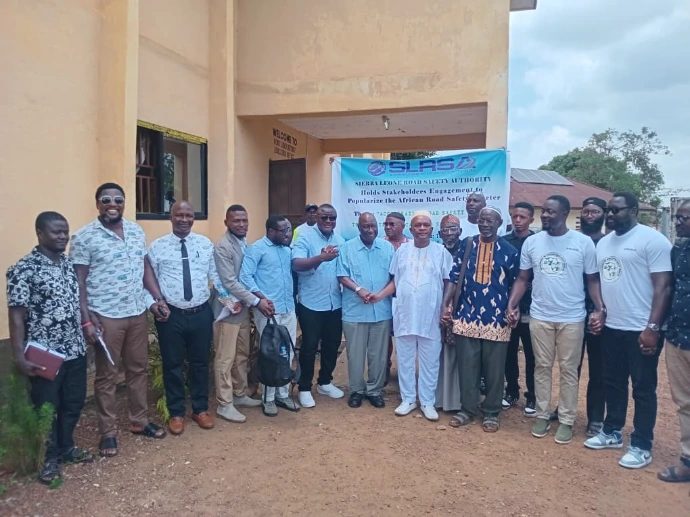
The Sierra Leone Road Safety Authority on Thursday convened a high-level stakeholders’ engagement in Port Loko City to popularize the African Road Safety Charter and strengthen nationwide awareness on road safety responsibilities. The engagement, held at the Education Hall in Port Loko City, brought together key stakeholders from across the North-West Region.
The event formed part of activities commemorating the Global Road Safety Week under the theme: “Accelerating Road Safety Action Through the African Road Safety Charter.”
Sierra Leone formally ratified the African Road Safety Charter in July 2025 and deposited the instrument of ratification at the African Union Commission in September 2025, becoming the 14th African Union member state to do so. The Charter serves as a continental legal and policy framework aimed at reducing road crashes, fatalities, and injuries across Africa through stronger enforcement, safer infrastructure, improved emergency response systems, and enhanced road safety coordination.
In his welcome address, the Mayor of Port Loko City, Ali Badara Tarawallie, commended the leadership and management of SLRSA for organizing what he described as an important educative engagement for the people of the North-West Region. He praised the visible transformation within the Authority and its commitment to improving accountability and service delivery nationwide. Reflecting on his previous experience working with the Authority, the Mayor noted that significant progress had been made over the years in strengthening road safety administration in Sierra Leone.
Delivering the Chairperson’s remarks, the Director of Human Resources and Administration at SLRSA, Mrs. Mariama Masuba, stated that the engagement was intended to deepen public awareness of the African Road Safety Charter as part of the observance of Global Road Safety Week. She explained that Sierra Leone considered it necessary to commemorate the occasion in order to sensitize citizens on the importance of the Charter and the collective role required in promoting road safety.
Mrs. Masuba outlined the core responsibilities of SLRSA, including the issuance of driver’s and vehicle licences, conducting vehicle fitness test, and ensuring safer roads across the country. She stressed that road safety remains a shared responsibility that requires the active participation of all road users and institutions. She further disclosed that one of the earliest initiatives undertaken by Executive Director James Bagie Bio upon assuming office was to strengthen institutional collaboration between SLRSA and the Sierra Leone Police in order to improve nationwide road safety enforcement.
Speaking on behalf of the Government, the Resident Minister for the North-West Region, Umaru Bon Wurie, underscored the importance of the engagement and applauded the leadership of Executive Director James Bagie Bio. He described Bio as one of the country’s young leaders demonstrating exemplary and visionary leadership in public service.
The Resident Minister also noted that Sierra Leone’s driver’s licence continues to enjoy broad international recognition and acceptance, encouraging the Authority to sustain its reform agenda and continue improving standards within the transport sector.
Also addressing the gathering, the Paramount Chief of Marampa Chiefdom, Bai Koblo Queen II, emphasized that ensuring road safety is a collective national responsibility that demands the involvement of all citizens and institutions. He called on the Authority to deploy more tow-trucks along major highways to promptly remove broken-down vehicles, noting that abandoned and stationary vehicles continue to contribute significantly to road crashes across the country.
Delivering the keynote address, the Executive Director of Sierra Leone Road Safety Authority, James Bagie Bio, reaffirmed the Authority’s mandate as the lead institution coordinating road safety activities in Sierra Leone. He highlighted the significance of the African Road Safety Charter, describing it as a critical legal and policy instrument that provides African countries with a framework for improving road infrastructure, strengthening traffic law enforcement, promoting safer vehicles, and enhancing emergency response systems.
The ED stated that the Charter commits member states to reducing road traffic crashes and fatalities by 50 percent, emphasizing that nationwide stakeholder engagements are essential in achieving that objective. He described the engagement as part of broader efforts to popularize the Charter across Sierra Leone and foster collective ownership of road safety initiatives.
According to the Executive Director, one of his first official actions after assuming office was the signing of a Memorandum of Understanding with the Sierra Leone Police to strengthen collaboration in road safety enforcement and public awareness. He added that similar partnerships have also been established with other institutions, including the Sierra Leone Standards Bureau and the Sierra Leone Red Cross Society.
Mr. Bio further disclosed that from January 2025 to date, Sierra Leone has recorded more than 2,000 road crashes, with over 68 percent involving commercial motorbikes. He therefore urged both riders and drivers to exercise greater caution on the roads and encouraged commercial bike riders and passengers to wear helmets consistently.
The Executive Director also revealed that SLRSA has intensified enforcement actions against operators of unroadworthy heavy-duty vehicles, making it mandatory for such vehicles to undergo fitness test before licensing or renewal. He stressed that every road crash carries severe economic and social consequences, often resulting in the loss of lives and livelihoods.
He concluded by calling on traffic law enforcement officers in the North-West Region to closely monitor overloaded vehicles and reaffirmed that road safety awareness campaigns must extend beyond Freetown to every district in Sierra Leone.
“Road safety is everybody’s business,” Mr. Bio emphasized.
©️ SLRSA Communications & Outreach
Public Relations Unit
Nigeria, Sierra Leone Deepen Ties through Road Safety Knowledge Exchange
A high-level delegation from Sierra Leone is on an official study tour in Nigeria aimed at strengthening vehicle safety standards and regulatory frameworks through collaboration with the Federal Road Safety Corps (FRSC).
The delegation, which arrived in Abuja over the weekend, includes Abu-Bakarr Sheriff Esq., Secretary to the Board of the Sierra Leone Road Safety Authority (SLRSA); Arthur Brima, Director of Transport at SLRSA; and Dr. Adams Steven, Senior Technical Director at the Ministry of Transport and Aviation.
The visit commenced with a formal reception at the FRSC Headquarters in Wuse Zone 3, Abuja, where Nigerian officials welcomed the Sierra Leonean team and outlined the structure and operational mandate of the Corps.
Speaking during their engagement, Abu-Bakarr Sheriff Esq. stated that the primary objective of the study tour is to benchmark Nigeria’s best practices in vehicle safety regulation, particularly in the enforcement of standards and policies governing imported used vehicles.
“The rationale of this study tour is to gain knowledge and experience from our Nigerian counterparts in the road safety sector, especially on the implementation of vehicle safety standards and regulations governing imported vehicles,” he said. “As a lead road safety agency established in 1996 by an Act of Parliament, we are here to share experiences and leverage best practices that will strengthen the work of the Sierra Leone Road Safety Authority.”
Following the opening engagement, senior FRSC officials delivered three technical presentations detailing Nigeria’s road safety policy, strategies and regulatory framework. Assistant Corps Marshall, O.A. Ogungbemide of the Operations Department, presented on “Enforcement mechanisms and the FRSC’s role in reducing road traffic crashes.” This was followed by a session led by Deputy Corps Commander, Osondu J. Ohaeri of the Public Enlightenment Office, who highlighted the importance of public education in promoting road safety awareness and compliance.
In a subsequent presentation, Assistant Corps Marshall Hafiz Mohammed of the Corps Standardization Office, provided an in-depth overview of Nigeria’s Road Transport Safety Standardization Scheme, emphasizing compliance frameworks and regulatory enforcement measures.
The study tour also included a visit to the Nigeria Customs Service and the Nigerian Ports Authority, where the delegation was briefed on procedures relating to vehicle importation, inspection, and port operations.
Officials noted that the visit reflects growing regional cooperation in the transport sector, with Sierra Leone seeking to adopt proven strategies to improve road safety outcomes and institutional efficiency.
Road safety remains a critical priority globally, as governments and agencies continue to implement measures aimed at reducing road traffic-related injuries and fatalities.
Collaborative initiatives such as this study tour are expected to enhance knowledge exchange, strengthen regulatory systems, and contribute to safer road environments across West Africa.
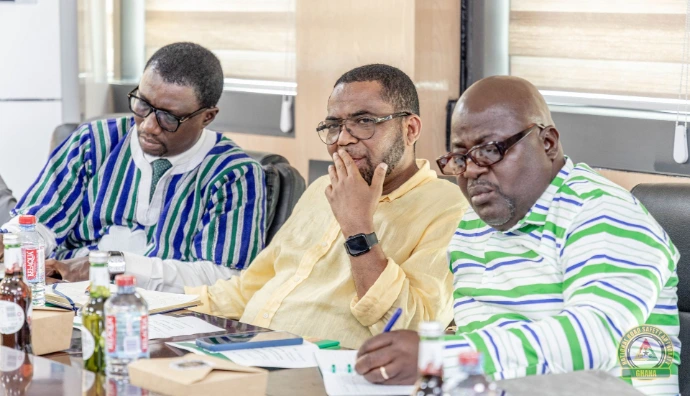
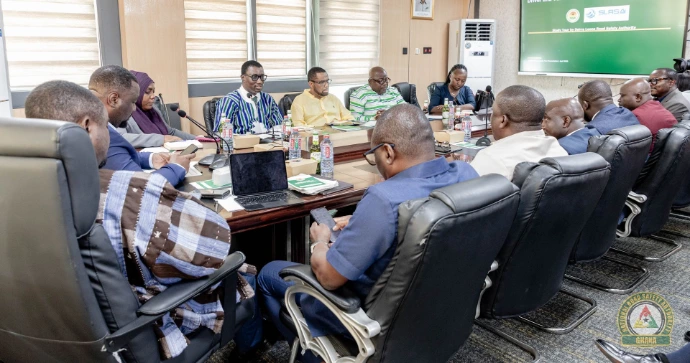
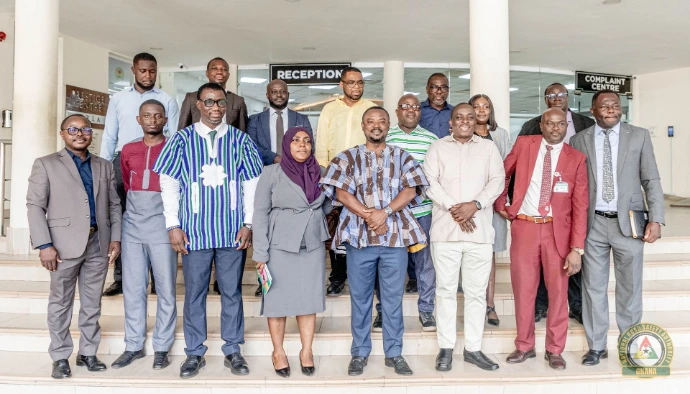
The Transformative Leadership of James Bagie Bio and Team at SLRSA
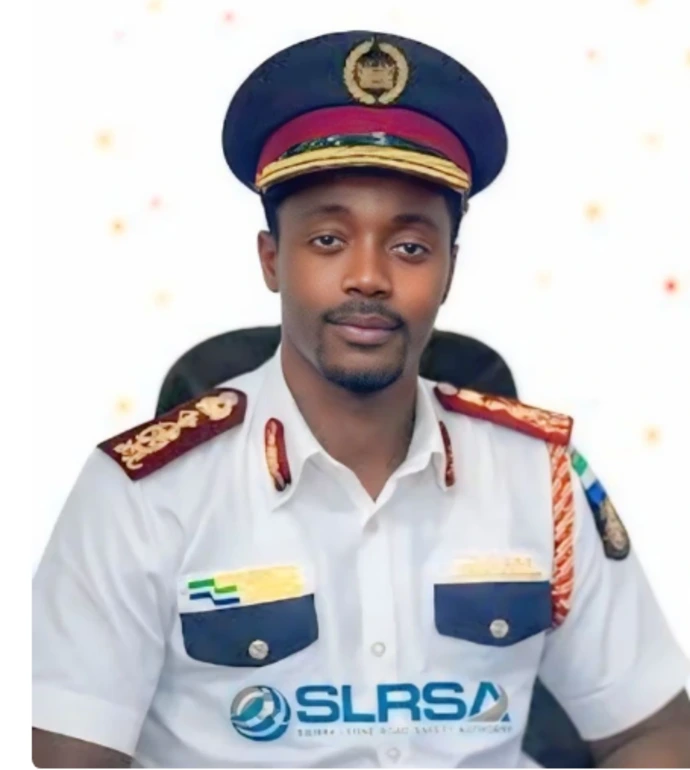
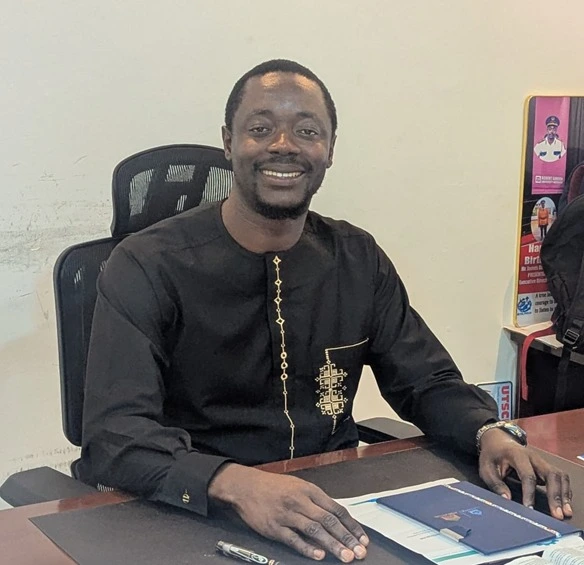
In recent months, the Sierra Leone Road Safety Authority (SLRSA) has undergone a remarkable transformation, marked by bold reforms, strategic partnerships, and an unwavering commitment to public safety. At the center of this progress is its Executive Director, James Bagie Bio, whose leadership continues to redefine road safety management in Sierra Leone.
Strengthening Global and National Security Collaboration
Demonstrating Sierra Leone’s growing engagement on the global stage, James Bagie Bio represented the country at the 93rd General Assembly of INTERPOL in Marrakesh. His participation underscored SLRSA’s commitment to tackling transnational vehicle-related crimes, including stolen vehicle syndicates and fraudulent registrations. Through stronger collaboration with the Sierra Leone Police, the Authority has intensified enforcement measures to curb such crimes, ensuring the integrity of the national vehicle database and contributing to broader global security efforts.
Advancing Digital Transformation and Public Engagement
A major milestone in SLRSA’s modernization drive was showcased when His Excellency President Julius Maada Bio toured the transport sector exhibition during the National Civic Festival in Freetown. Under the SLRSA ED’s leadership, the Authority introduced innovative digital solutions, including a streamlined driver’s licensing system and enhanced vehicle number plate security features. These advancements not only improve efficiency but also reduce fraud and enhance public trust in transport services. The Authority also introduced the Mobile Licensing Vehicle, which has helped to reduce the turn-around time in the acquisition of vehicle and drivers license. This is part of efforts to make service delivery very accessible to Sierra Leoneans.
Forging Life-Saving Partnerships
In a landmark move, SLRSA signed a Memoranda of Understanding with the National Emergency Medical Services (NEMS), aimed at improving emergency response to road traffic accidents; National Civil Registration Authority (NCRA) to synchronize data and enhance data integrity in the licensing process; Standards Bureau to ensure that quality spare parts are brought into the country; and recently the Sierra Leone Red Cross Society to partner in the areas of emergency response for road crash victims and to train paramedics as first responders. These partnerships strengthen coordination between interagency in Road Safety, aligning with global targets to reduce road fatalities by 50% by 2030. It represents a critical step toward building a responsive and life-saving road safety ecosystem.
Operational Interventions for Safer Roads
James Bagie Bio’s leadership has translated into practical, on-the-ground interventions. During the festive season, SLRSA deployed tow trucks along key highways such as the Masiaka–Mile 91 and Gbere–Makeni corridors to swiftly remove broken-down vehicles—a major cause of road accidents. Additionally, the Authority has established a High-Unit Management and inspection enforcement along the Waterloo–Masiaka highway, targeting unregulated garages and roadside activities that pose safety risks. These efforts are restoring order, improving compliance, and enhancing the safety of road users.
Institutional Reforms and Service Decentralization
A cornerstone of James Bagie Bio’s administration is institutional reform aimed at improving service delivery. The establishment of the Water Oay Office in Cline Town reflects a deliberate strategy to decentralize services and bring them closer to the people. This initiative reduces congestion at central offices while improving accessibility and efficiency for clients, demonstrating a people-centered approach to governance. The SLRSA has further decentralized its services nationwide, enabling every district in Sierra Leone to produce licenses and deliver service to the people.
Strategic Planning and Staff Welfare
Recognizing that institutional strength begins internally, SLRSA’s leadership convened a strategic management retreat in Bureh Town. The retreat focused on reviewing the Authority’s Conditions of Service, enhancing staff welfare, and aligning operational policies with national frameworks. These reforms aim to boost morale, improve productivity, and position the Authority for sustained impact. SLRSA ED emphasized that a motivated workforce is essential to achieving the broader goal of safer roads nationwide.
A Vision Aligned with National Development
The progress recorded under James Bagie Bio’s leadership aligns with President Bio’s national agenda, particularly the “Big Five Game Changers.” By prioritizing road safety, institutional efficiency, and innovation, SLRSA is contributing meaningfully to Sierra Leone’s socio-economic development. A major milestone and breakthrough under the leadership is the ratification of the African Road Charter, and the country deposited the instrument of ratification. The charter has come into force, with Sierra Leone being the 14th member to sign the charter, with it’s coming into force the SLRSA is position to achieve the objectives of ARSC by targeting the reduction in Road Accidents by 50%. From global engagement and digital transformation to enforcement operations and institutional reforms, James Bagie Bio has demonstrated leadership defined by action, innovation, and results. As the Sierra Leone Road Safety Authority continues to evolve, its trajectory under his leadership reflects a clear vision: safer roads, stronger institutions, and a more secure future for all Sierra Leoneans.
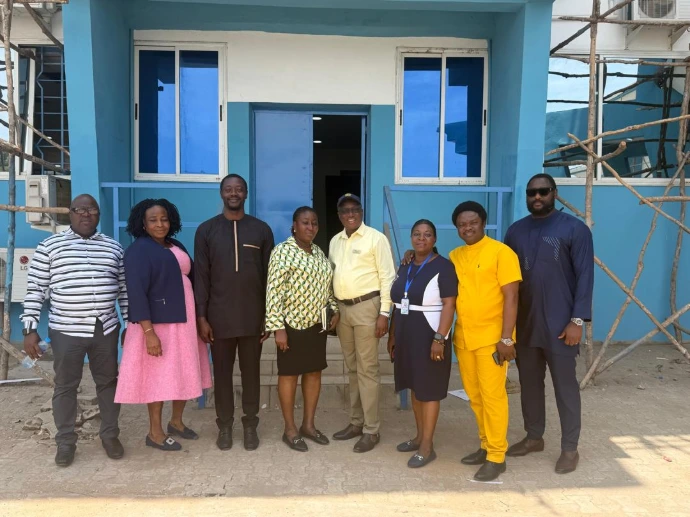
SLRSA Board Retreat Highlights Strategic Push for Road Safety and Institutional Strengthening
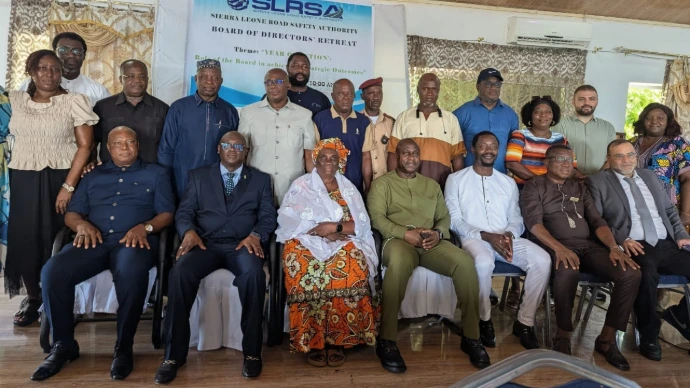
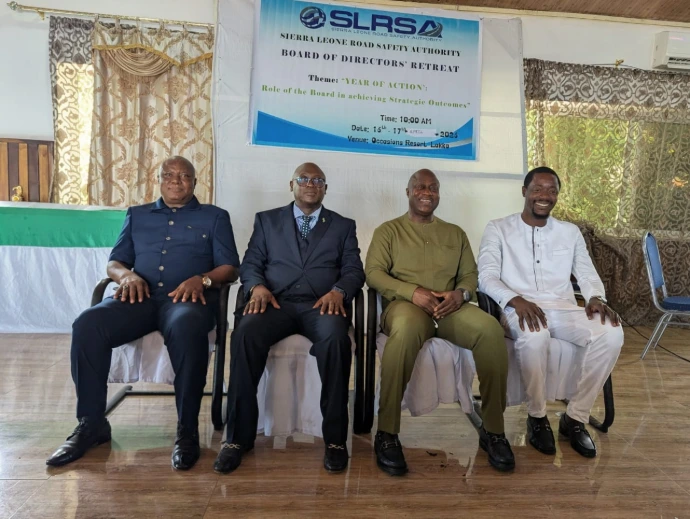
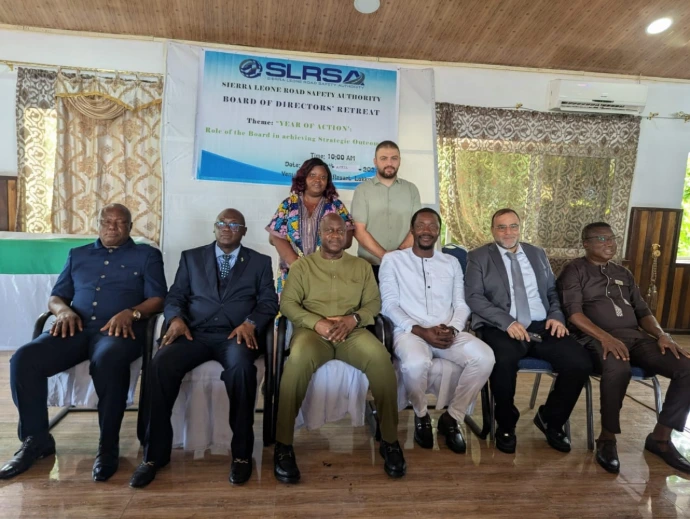
Kissy Road Freetown, Sierra Leone — The Sierra Leone Road Safety Authority (SLRSA) has concluded a high-level Board Retreat with the theme 'Year of Action: Role of the Board in achieving Strategic outcomes". The retreat, held at Occasions Resort, Lakka, was marked by strong commitments to improved road safety management, institutional collaboration, and data-driven decision-making.
Delivering the opening statement, the Board Chairman AIG (Rtd) Thomas Mustapha Lahai underscored the importance of clearly examining the roles and responsibilities of the Board in achieving strategic outcomes.
He emphasized the need for shared values and collective interests, including deliberate actions toward the domestication of the African Road Safety Charter. Reflecting on past institutional tensions, the Chairman noted that challenges between the Board and Management should now be considered a thing of the past, urging a renewed spirit of cooperation.
He further called on Board Members to serve as vigilant watchdogs to ensure that gains made by the Authority are preserved and not eroded, while commending the SLRSA for its ongoing efforts.
In his remarks, the Executive Director (ED) James Bagie Bio issued a clarion call for sustained improvements in road safety management nationwide. He described 2025 as a “Year of Strengthening Road Safety,” highlighting key achievements and progress made under his leadership.
The ED reaffirmed the Authority’s commitment to building on these gains to enhance safety outcomes across the country.
The Keynote Speaker Prince E.O. Cole, who also doubles as Head of Civil Service and Secretary to Cabinet, reinforced the importance of synergy between the Board and Management, urging Board Members to actively support Management in executing its mandate. He stressed that Management should view the Board’s interventions not as interference, but as essential oversight and stewardship.
Commending the SLRSA’s work, he called for a stronger focus on accurate data collection and analysis as a foundation for effective planning. He also emphasized the need for improved stakeholder collaboration, adoption of modern technology, and a firm commitment to translating strategic plans into tangible results. Additionally, he highlighted sustainable urban mobility and road safety as critical drivers of Sierra Leone’s socio-economic development.
The Minister of Transport and Aviation (MoTA), Alhaji Fanday Turay, echoed the importance of embedding a strong culture of data collection within the Authority. He also called for decisive action in removing unroadworthy vehicles from the roads as part of broader efforts to enhance public safety.
The retreat concluded with a shared understanding among participants on the need for stronger collaboration, innovation, and accountability in advancing road safety and achieving the Authority’s strategic goals.
©️ SLRSA Communications & Outreach
Public Relations Unit
SLRSA Signs MOU with Sierra Leone Red Cross Society to Strengthen Road Safety and Emergency Response
Kissy Road, Freetown
www.slrsa.gov.sl
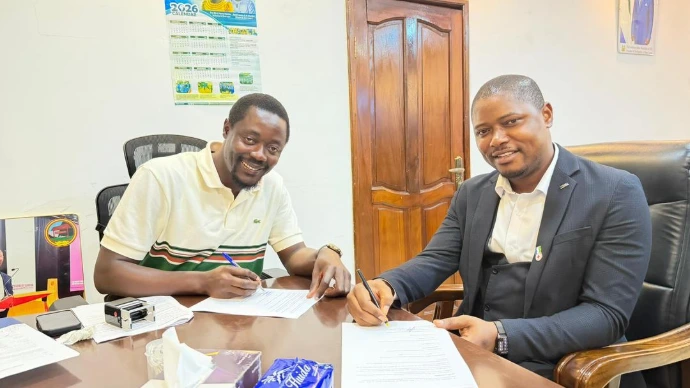
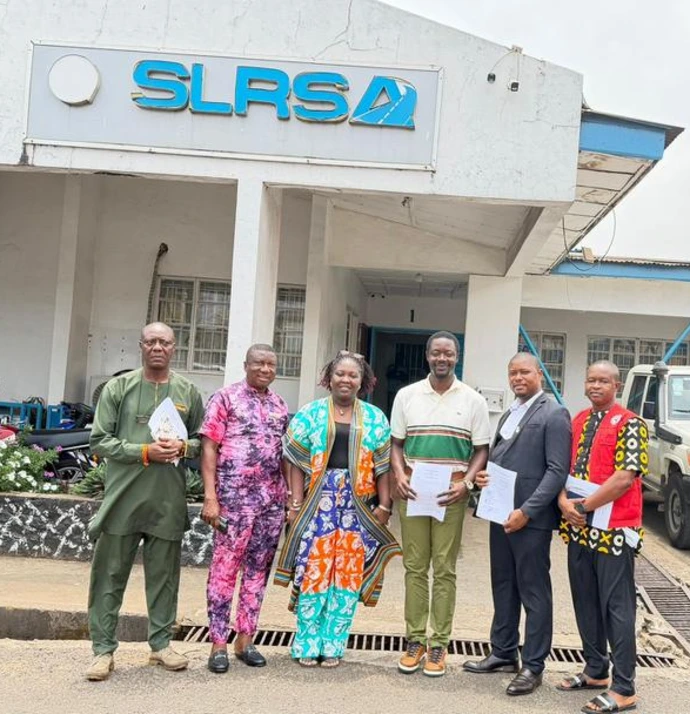
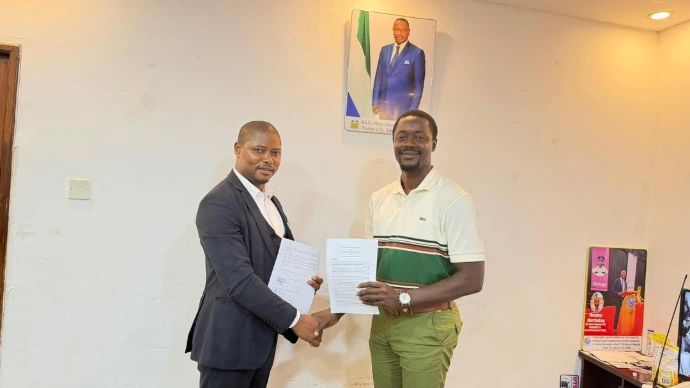
The Sierra Leone Road Safety Authority (SLRSA) has officially signed a Memorandum of Understanding (MOU) with the Sierra Leone Red Cross Society (SLRCS) to enhance road safety measures and improve emergency response services across the country.
The agreement, signed at the Authority’s headquarters on Kissy Road in Freetown, establishes a framework for collaboration between the two institutions in key areas such as first aid training, accident response, and road safety sensitization. The partnership is expected to strengthen coordination during road traffic crashes and other emergencies.
Speaking at the signing ceremony, the Executive Director of SLRSA, James Bagie Bio, emphasized that the MOU aligns with the Authority’s mandate to reduce road traffic crashes and improve road safety standards nationwide. He noted that closer collaboration with the Red Cross Society will enhance the provision of timely medical assistance to crash victims and promote safer road use through sustained public education.
In his remarks, the Secretary General/CEO of the Sierra Leone Red Cross Society, Kpawuru E.T. Sandy, highlighted the organization’s longstanding role in delivering humanitarian and emergency health services since its establishment in 1962. He reaffirmed the Society’s commitment to supporting vulnerable communities across Sierra Leone.
Mr. Sandy expressed enthusiasm about the implementation of the MOU, noting that the partnership will strengthen cooperation between the two institutions and contribute meaningfully to achieving safer roads for all users.
The MOU marks a significant step toward building a more coordinated road safety and emergency response system in Sierra Leone, reinforcing the government’s commitment to saving lives and reducing road traffic fatalities.
Both institutions reaffirmed their commitment to fully implementing the provisions of the agreement and supporting each other in achieving its objectives.
©️ SLRSA Public Relations and Outreach Unit
SLRSA ED Calls for Mandatory Fitness Test for Haulage Vehicles
Freetown, Sierra Leone — The Executive Director of the Sierra Leone Road Safety Authority, James Bagie Bio, has announced a new directive mandating strict vehicle fitness test for all haulage vehicles under Categories E, F, and G as part of efforts to curb the rising rate of road accidents in Freetown.
Speaking to vehicle examiners at the Authority’s Headquarters on Kissy Road, the SLRSA boss emphasized the critical role examiners play in ensuring that vehicles plying the country’s roads are roadworthy. He noted that both government and citizens depend heavily on their technical expertise to safeguard lives and property. "Your work is central to national safety.
The responsibility placed on you cannot be overstated,” he said, urging examiners to demonstrate diligence and professionalism in carrying out their duties. The directive requires all haulage vehicles within the specified categories to undergo mandatory fitness test for both new registrations and license renewals. This move is expected to tighten regulatory oversight, particularly in the haulage sector, which has been linked to a number of recent road incidents.
The initiative aligns with Sierra Leone’s commitments under the African Road Safety Charter, which seeks to reduce road traffic fatalities by 50 percent by the year 2030. According to Mr. Bio, achieving this target will depend largely on strict enforcement measures and thorough vehicle inspections.In a further step to modernize operations, the Executive Director instructed Autospect to roll out visual vehicle examination systems across the regions. At the same time, he stressed that SLRSA vehicle examiners must continue to conduct mandatory physical inspections to ensure compliance with safety standards.“We owe the people of Sierra Leone a duty of care,” he stated. “It is our responsibility to ensure that only safe and roadworthy vehicles are allowed on our roads.”Also addressing the gathering, the Deputy Executive Director, Josie Scott-Manga, assured examiners that the Authority is committed to resolving operational challenges that hinder their effectiveness.
The new measures are expected to significantly strengthen road safety enforcement and reduce accidents involving heavy-duty and haulage vehicles across the country.
 SLRSA Communications & Outreach Public Relations Unit

As African Road Safety Charter Enters into Force, Sierra Leone Targets Safer Roads by 2030
Kissy Road- Freetown
Sierra Leone has officially become the 14th country to ratify the African Road Safety Charter, and deposit the instrument of ratification, marking a significant milestone in its efforts to improve road safety nationwide. The achievement comes under the leadership of Sierra Leone Road Safety Authority (SLRSA) Executive Director, James Bagie Bio, with technical support from the Ministry of Transport and Aviation.
The Charter sets an ambitious target of reducing road traffic deaths by 50 percent by the year 2030. It focuses on protecting all road users—drivers, passengers, and pedestrianswhile strengthening legal and institutional frameworks across member states.
To meet these goals, countries are expected to implement robust legislation, enforce strict road safety laws, develop safer infrastructure, ensure high vehicle standards, improve data collection and accident analysis, and enhance emergency response systems.
In line with these objectives, the SLRSA has rolled out several reforms, including the nationwide decentralization of licensing services and the introduction of digital service platforms to improve accessibility. The Authority has also strengthened partnerships with key institutions such as the National Civil Registration Authority (NCRA) for drivers data synchronization, the Sierra Leone Standards Bureau for quality control of vehicle spare parts, and the National Emergency Medical Service (NEMS) to boost emergency post crash care and response.
With the Charter having come into force on 12th March 2026, Sierra Leone is well-positioned to achieve its road safety targets, as ongoing reforms align closely with the Charter’s vision for safer roads, safer vehicles, and safer road users across Africa.
"SLRSA stands ready and willing to implement the Charter by popularising it and domesticating its provisions," said James B. Bio. He added that: "Sierra Leone is proud to have taken steps that helped trigger the entry into force of the Charter. This milestone in road safety governance in Africa further underscores the positive strides by President Bio in restoring Sierra Leone's reputation as a major player in the continent and on the global stage."
© SLRSA Communications & Outreach
Public Relations Unit
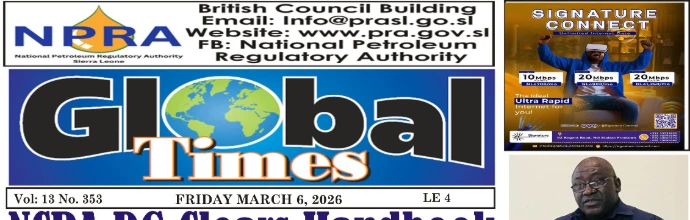
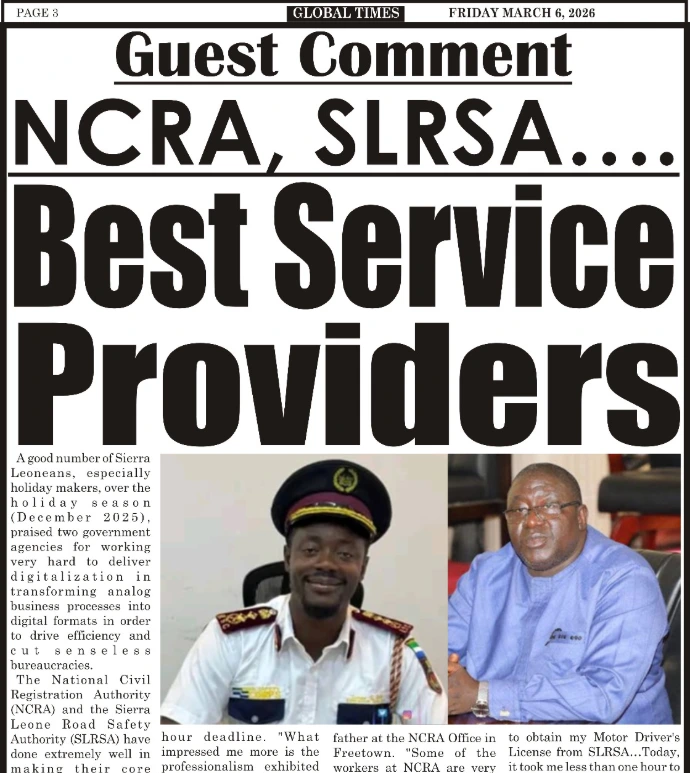
NCRA and SLRSA Praised as Best Service Providers….
The National Civil Registration Authority (NCRA) and the Sierra Leone Road Safety Authority (SLRSA) have done extremely well in making their core services easily accessible through digital formats and/or platforms.
A Sierra Leonean national based in Toronto, Canada, wrote an open letter recently, praising the Management of NCRA for producing her National Identity Card within the seventy-two hour deadline. “What impressed me more is the professionalism exhibited by the front desk staff at NCRA Headquarters in Freetown…They were very polite…Nobody asked me for a tip…I was shocked,” she lamented.
Another Sierra Leonean national from San Jose in California, USA said he spent less than one hour to apply for and obtained a death certificate for his dead father at the NCRA Office in Freetown. “Some of the workers at NCRA are very professional,” he said.
Madam Kadie Kamara, another Sierra Leonean national from Reading in the United Kingdom, said she spent less than one hour to receive her Motor Driver’s License from SLRSA. “Everything is digitalized at SLRSA”, She said. She added, “Some six years ago, it took me almost three months to obtain my Motor Driver’s License from SLRSA…Today, it took me less than one hour to receive my Motor Driver’s License”.
We commend the Director General of NCRA, Mohamed Mubashir MASSAQUOI and the Executive Director of SLRSA, James Baggie Bio for digitalizing their operations and for making their agencies fit for purpose.
©️SLRSA Public Relations and Outreach Unit
SLRSA Readiness to Adopt the Africa Road Safety Charter
The Executive Director of the Sierra Leone Road Safety Authority (SLRSA), James Baggie Bio, has reaffirmed the Authority's readiness to implement the Africa Road Safety Charter. This comes after Sierra Leone officially deposited its instrument of ratification, becoming the 14th Member State to do so.
Speaking at his office in Freetown, Bio expressed excitement over Sierra Leone's role in spearheading the ratification process. @We are poised for the Charter to enter into force upon the 15th ratification. The SLRSA stands ready to implement the provisions of the Charter under my leadership and with the support of any team@' he said.
©️SLRSA Public Relations and Outreach Unit


The Chief Minister of the Republic of Sierra Leone Commends SLRSA Executive Director James Baggie Bio
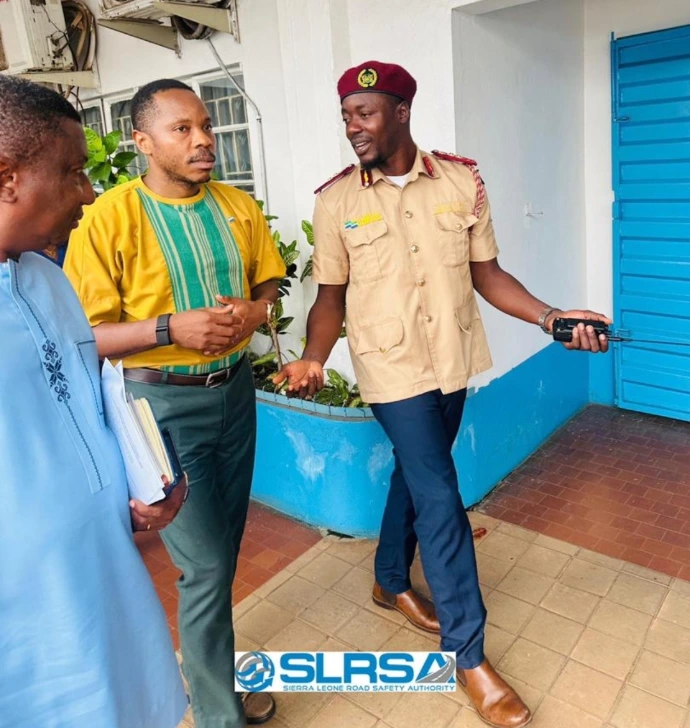
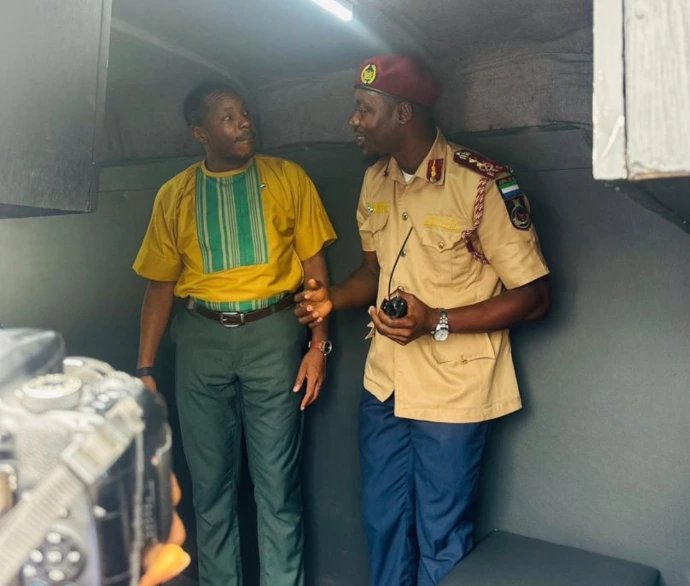
Upon his unannounced arrival, he met the SLRSA Heads of Departments having their Management Meeting. The Executive Director of the SLRSA James Baggie Bio received the Chief Minister and took him round all the operational areas of the Authority and its partners, Auto Parts Freetown (APF) and Autospect SL Ltd respectively.
The Chief Minister was impressed with the reforms so far undertaken by the New Executive Director within his One Hundred(100) days in office.
“Having a Toll Free line (844) alongside a WhatsApp number (030 844844) wherein citizens can send pictorial evidences of crashes, abandoned vehicles and any road traffic related issue as many people use WhatsApp is incredible, ’’ The Chief Minister Commended.
After going through the reforms of the Authority, he commended the Executive Director and team. He furthered that this shows responsive dynamic leadership which can influence employees to happily come to work and perform their duties.
He implored the Executive Director and SLRSA Management to continue in that direction as the goal is to deliver.
*#WeWillDeliver
©️SLRSA Public Relations and Outreach Unit

The Chief's Diary:
Our Commitment as a Government is to Protect You
Our objective is simple- we must do everything to ensure you are safe and protected. For this to happen, we must collaborate across all domains in government and with citizens to remove bottlenecks of delivery. See something, hear something, say something. Your security is in my hands and my security is in your hands.
As for national defense, our Republic of Sierra Leone Armed Forces are at peak morale currently. While there is more to do, the leadership of the military is actively providing additional welfare, support, training and transformation to our gallant men and women under the leadership of our Commander In Chief.
Together #WeWillDeliver a safer Sierra Leone where every citizen will have an opportunity to thrive.
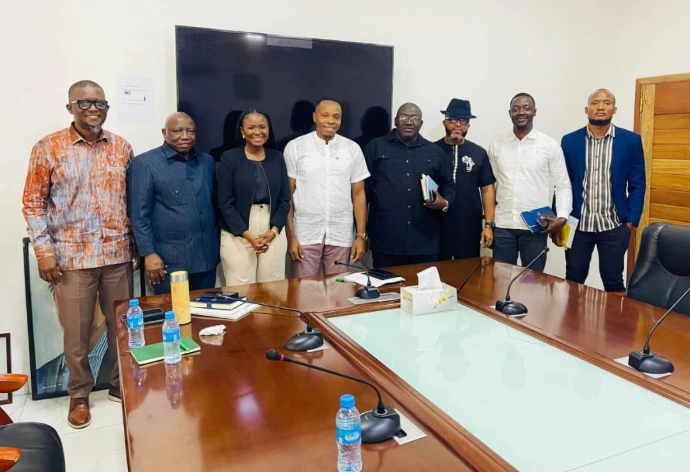
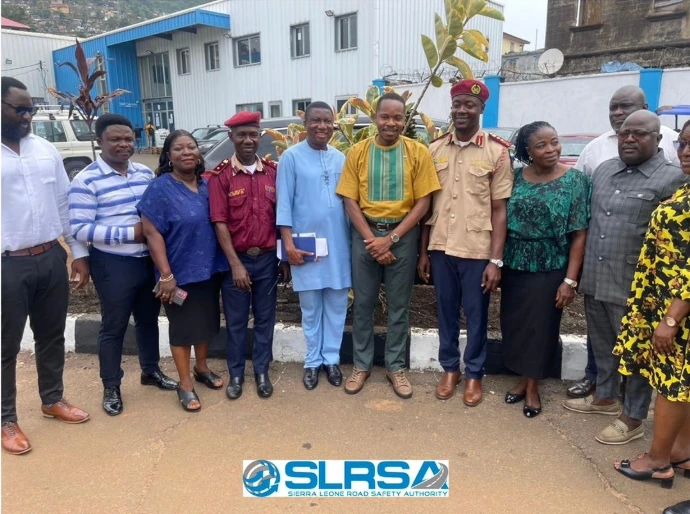
Ministry of Transport and Aviation, Sierra Leone Road Safety Authority Commence National Consultation on Proposed Age Limit on Imported Vehicles
SLRSA Public Relations and Outreach Unit
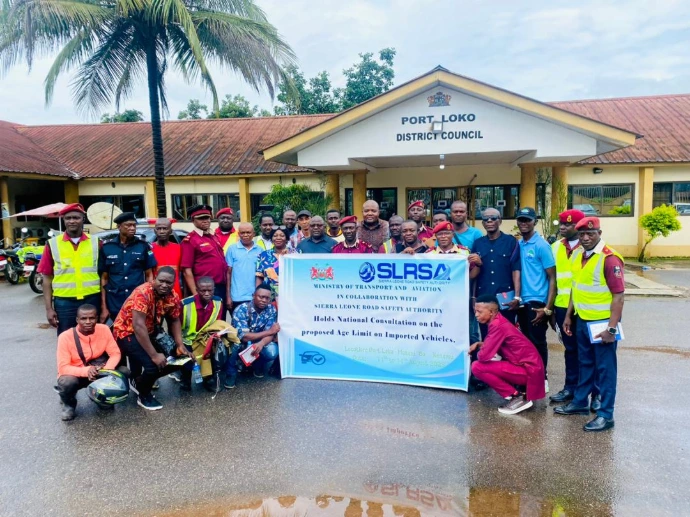
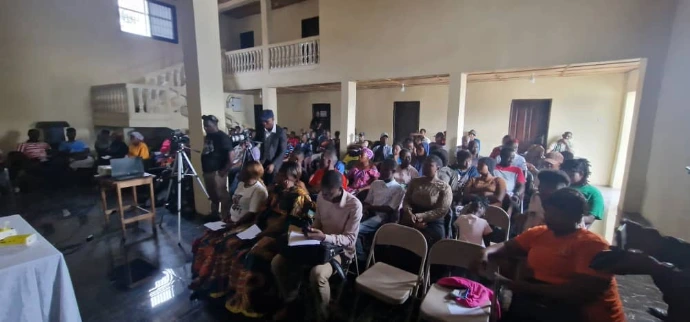
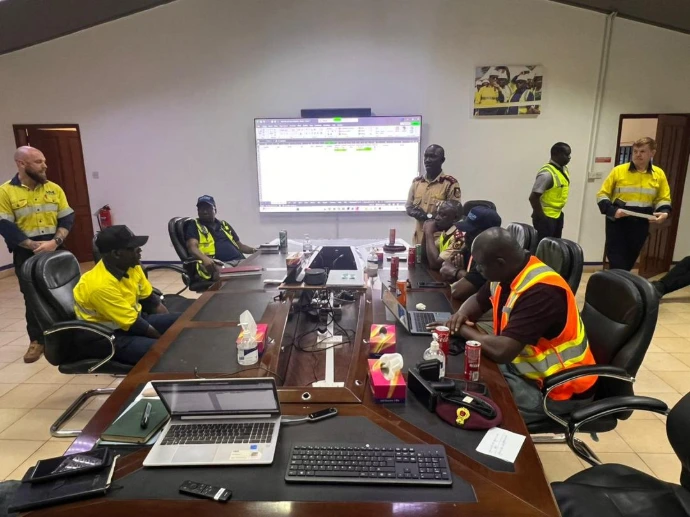
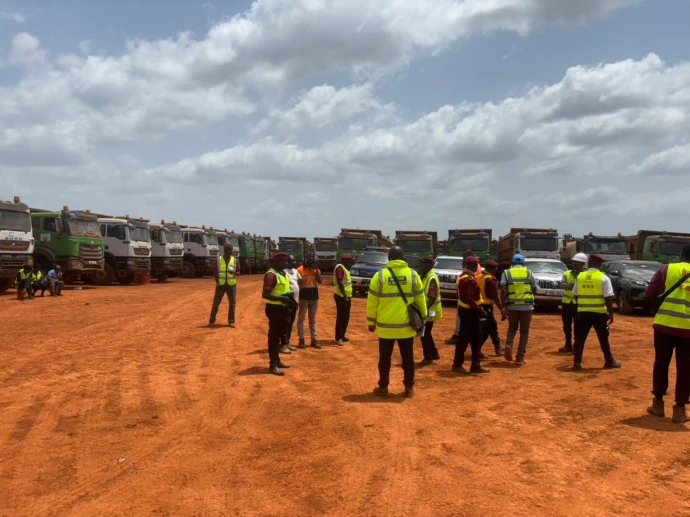
SLRSA Enforce Vehicle Licence Compliance at Mining Sites
The exercise, carried out by the SLRSA officials, aimed to verify that vehicles operating within mining areas posses valid licenses and meet the operational standards.
Day Two Update on Vehicle Licence enforcement at Mining Sites. On Thursday 11th March 2026
The Vehicle Licence enforcement continued at the Marampa Mining Limited to ensure all vehicles operating within the mining area comply with transport regulations.
Trucks and other vehicles were checked to verify valid licenses, registration documents and road worthiness.
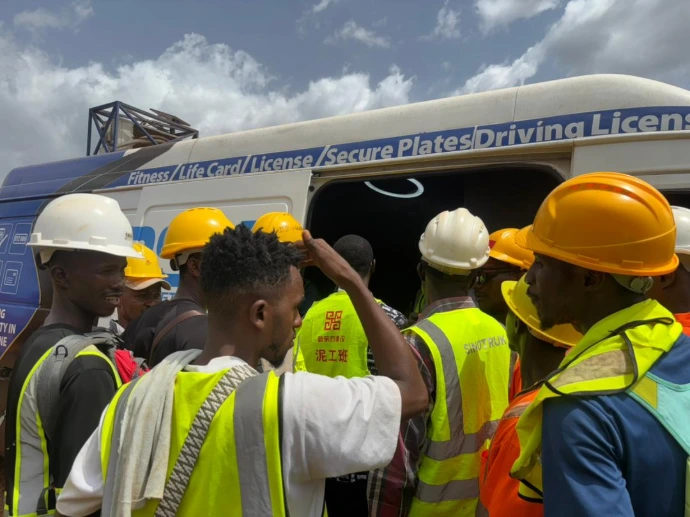
Drivers without valid Drivers License used the SLRSA Mobile License Vehicle facility to get their License.
The exercise aims to promote safety, accountability and proper regulation of vehicles involved in mining activities.
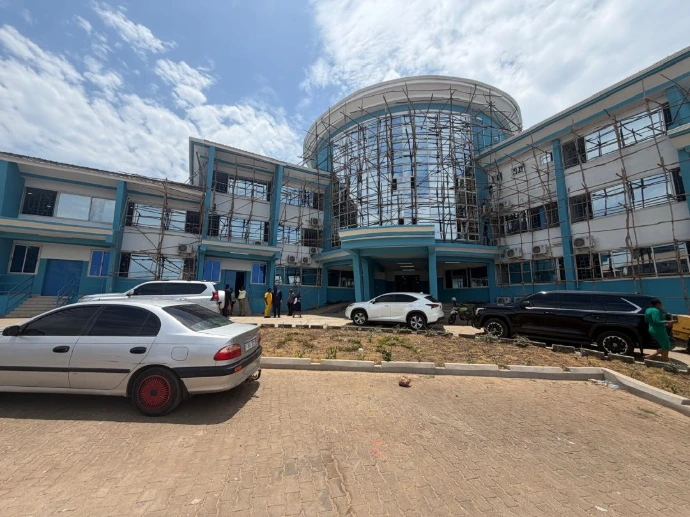
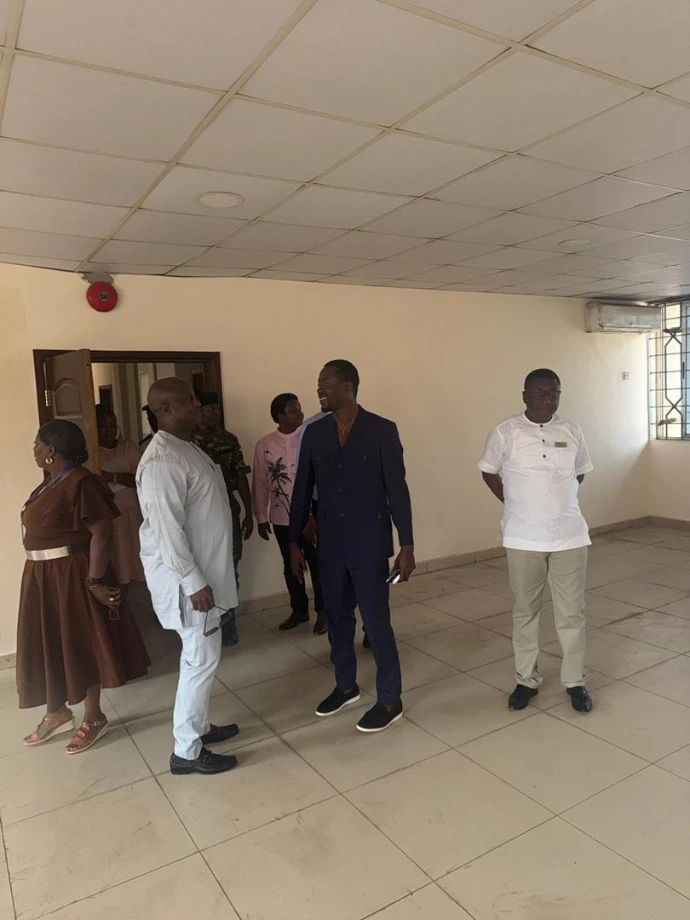
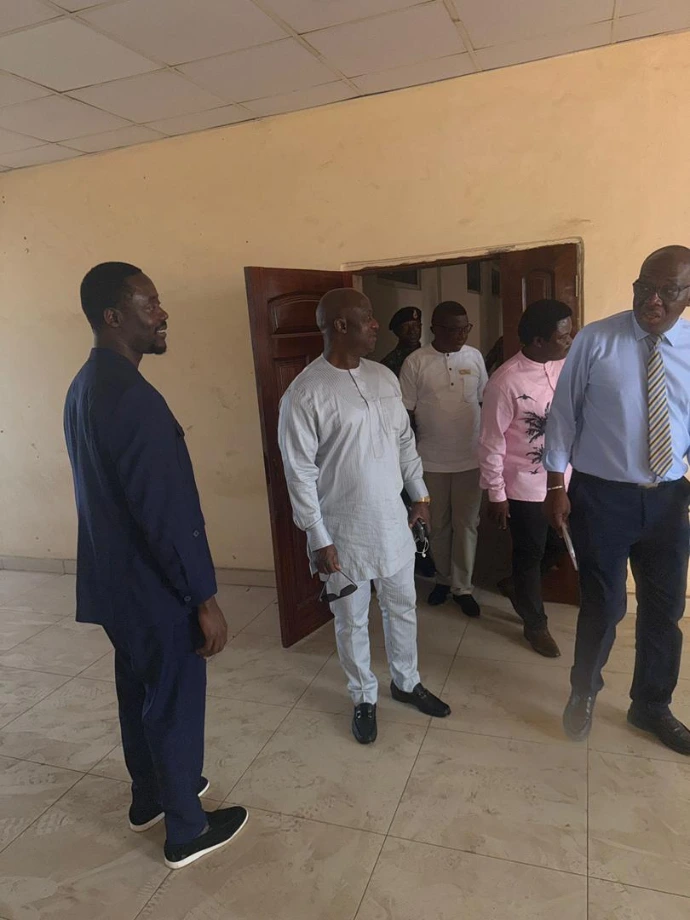
Minister of Transport Tours SLRSA New Office, Expresses Satisfaction with Project
24th March 2026
©️ Public Relations and Outreach Unit - SLRSA
SLRSA Joins Forces with RSLAF to Enforce Road Safety
Wilkinson Road Freetown
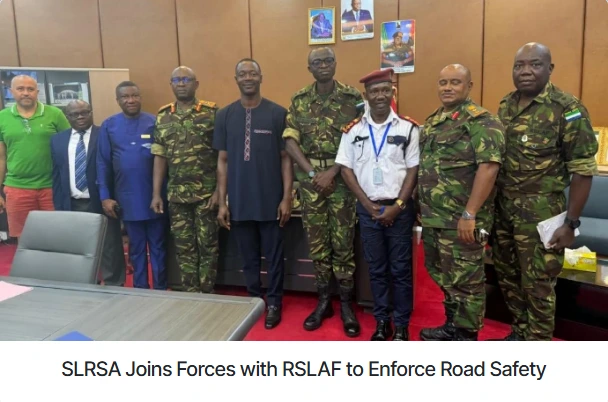
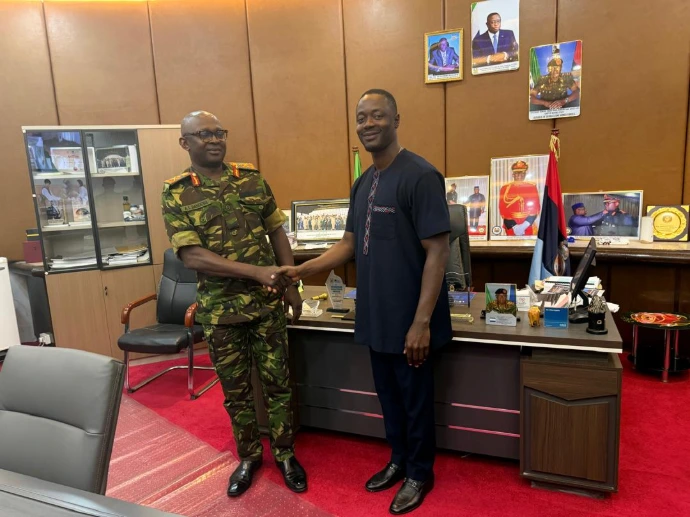
In a strategic move aimed at enhanced road safety compliance, the Sierra Leone Road Safety Authority (SLRSA) has partnered with the Republic of Sierra Leone Armed Forces (RSLAF) to enforce traffic regulations and reduce the rising number of road traffic crashes across the country.
The collaboration marks a significant step toward creating safe highways and ensuring that breakdown vehicles abandoned along major roads—often posing high risk of crashes—are promptly removed.
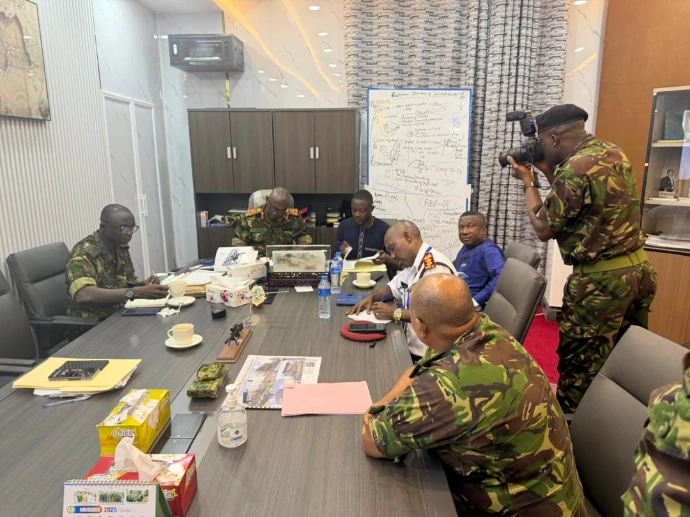
The partnership was formalised today (3rd December, 2025) by the signing of a Memorandum of Understanding (MOU) between the two institutions in Freetown. The ceremony was witnessed by Major-General Ngaujah and SLRSA's Deputy Executive Director Josie Abraham Scott-Manga.
According to the terms of the MOU, the partnership aims to reduce traffic congestion caused by breakdown vehicles, discourage road encroachment by vehicle and garage owners, support road traffic enforcement operations, ensure timely response to public concerns about road obstructions, and minimise the negative impacts of off-street parking activities on nearby properties, among other objectives.
Speaking at the signing ceremony held at Cockerill Barracks on Wilkinson Road in Freetown, SLRSA Executive Director, James Bagie Bio emphasised that the agreement was timely, particularly as the Authority seeks to fulfil its mandate of enhancing road safety nationwide.
Also addressing the gathering, the Chief of Defence Staff, Lieutenant- General Amara Idara Bangura, underscored the importance of the partnership. He noted that since 2002, the RSLAF has been mandated to work with Ministries, Departments, and Agencies (MDAs), as well as other security sectors, to help maintain national order and sanity. He assured the SLRSA that the military will deploy both equipment and personnel to ensure that streets remain clear and safe.
Following the signing of the MOU, a joint technical committee was formed comprising RSLAF and SLRSA to immediately commence the implementation of the agreement.
©️ SLRSA Public Relations and Outreach Unit
Native Consortium applauds SLRSA for decentralizing driver’s Licence process
The Native Consortium is one of the country’s leading consumer protection civil society organisations, known for holding public service institutions accountable and advocating for improved service delivery.
Speaking during a press tour at the SLRSA Head Office on Kissy Road in Freetown, Executive Director of Native Consortium, Edmond Abu, reflected on his long-standing advocacy for reforms within the authority.
He noted that for the past 20 years, he had called for improvements in the operations of the SLRSA. According to Abu, the authority under its new administration has made remarkable progress by decentralizing the licensing system and establishing offices in Makeni, Bo, Kenema, Port Loko, Mile 91, and other provincial locations. This move, he said, ensures that licensing services are more accessible and convenient for people living outside the capital.
Abu described the initiative as a “significant advancement” in making essential government services more accessible and user-friendly for ordinary citizens nationwide. He emphasized that decentralization would substantially reduce the burden on applicants who previously had to travel long distances or endure prolonged delays to obtain driver’s licences.
Abu further stated that the decentralization strategy not only improves convenience for motorists but also strengthens transparency and efficiency within the licensing system. By distributing the workload across regional service points, the SLRSA is better positioned to deliver timely and accountable services.
He reiterated his support for the authority’s ongoing reforms and encouraged sustained engagement with citizens—particularly those in remote and underserved communities—to ensure that decentralization leads to tangible improvements in access, fairness, and effective road governance across Sierra Leone.
As part of efforts to further ease the licensing process, the Executive Director of SLRSA, James Bagie, has introduced a mobile licensing vehicle. The vehicle travels to various locations within Freetown and the provinces, providing instant registration, payment processing, and issuance of driver’s licences.
Also speaking during the interview, Director of Licences, Mohamed Fofanah, explained that the decentralization initiative was made possible because the current leadership deemed it necessary to take services directly to the people.
He disclosed that the SLRSA now operates more than 18 functional stations nationwide, including offices in Freetown, Bo, Kenema, Makeni, Kabala, Lungi, Kambia, Port Loko, Mile 91, and other areas. He added that Kailahun is expected to commence operations soon.
Addressing concerns about the increment in licensing fees, Director Fofanah clarified that the adjustment was informed by provisions in the Finance Act and tax policies implemented by the National Revenue Authority (NRA).©️ SLRSA Public Relations and Outreach Unit

SLRSA, NEMS Sign Historic Memorandum of Understanding
The signing of the MoU marks a significant milestone in strengthening collaboration between the two institutions to improve awareness, prevention, and management of road traffic accidents. It also aims to enhance timely and appropriate pre-hospital care, including the efficient referral of accident victims to health facilities for further medical intervention.
The objectives of the MoU include the joint implementation of road safety education programmes and public awareness campaigns to reduce the incidence of road traffic accidents. The agreement also seeks to raise public awareness on communication channels for pre-hospital care and ambulance transportation, establish efficient communication and coordination mechanisms, and ensure rapid dispatch and deployment of NEMS ambulances during road traffic incidents. Additionally, the MoU provides a framework for the timely registration, licensing, and insurance of NEMS ambulances.
This landmark partnership is expected to increase public knowledge of road safety rules and toll-free emergency lines, promote positive behaviour change among drivers, motorcyclists, pedestrians, and passengers, and strengthen data capturing, planning, and decision-making processes. It will also enhance capacity building among staff of both institutions, with the overarching goal of reducing road traffic fatalities by 50 per cent by 2030, in line with the United Nations Decade of Action for Road Safety.
The MoU was signed on behalf of the Sierra Leone Road Safety Authority by the Deputy Executive Director, Mr Josie Abraham Scott-Manga, while Dr Songor Koedoyoma signed on behalf of the National Emergency Medical Services.
Both institutional heads reaffirmed their commitment to working closely together to achieve shared objectives of reducing injuries, improving emergency response, and promoting safer roads across Sierra Leone through coordinated and consistent collaboration.
SLRSA Communications & Outreach


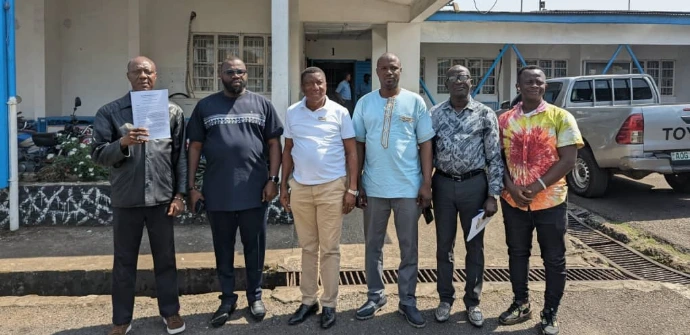
Ministry of Internal Affairs, SLRSA & INTERPOL Strengthens Collaboration to Combat Vehicle Theft
He further stressed that it is in the national interest for ministries, departments, and agencies to work closely together. This collaboration, he noted, is crucial to dismantling the criminal enterprises that tarnish the country's reputation and operate to the detriment of state resources.
SLRSA Executive Director, Mr James Baggie, reaffirmed the Authority’s commitment to ending this illegal trade. He highlighted that beyond the damage to the country’s image, the enterprise undermines national revenue generation.
Mr. Bio underscored the need for close coordination with INTERPOL, stating, “Under my watch, no stolen vehicles will be registered in Sierra Leone.” He called on the Minister and INTERPOL to continue working together to make the country an unattractive destination for stolen vehicles.
Chief Superintendent of Police Jenevieve Tity Cowan commended Mr. Bio for his progress since his appointment, assuring the Minister of her unwavering support in the fight against stolen vehicles.
The meeting concluded with a note of caution: as efforts intensify to dismantle these criminal networks, resistance from perpetrators should be anticipated. Therefore, both consignee and consignor must face consequences, and the two institutions were urged to prioritise proper record-keeping to maintain momentum in the fight.
SLRSA Blocks Stolen Vehicles from its Database
Thursday, 24th July, 2025
Kissy Road, Freetown
www.slrsa.gov.sl
In a major breakthrough involving INTERPOL and the Ministry of Internal Affairs, six luxurious stolen vehicles originating from Canada have been recovered and impounded. The Executive Director of the Sierra Leone Road Safety Authority (SLRSA), Mr. James Baggie Bio led a team of senior management staff to inspect the recovered vehicles at Queen Elizabeth II Quay in Cline Town, Freetown.
Acting swiftly, the Executive Director has directed that all six vehicles be permanently blocked from the SLRSA registration database. This action renders any attempt to register these vehicles in Sierra Leone impossible.
In a broader move to combat vehicle theft and fraud, Mr. Bio has mandated that effective 1st September 2025, the SLRSA will only register vehicles that present a valid certificate from INTERPOL, verifying the title of ownership and clearance. This new policy will apply to all SUVs manufactured from 2017 to now.
The impounded vehicles include one 2025 Land Rover Defender Jeep and five Lexus RX 350 SUVs. The Executive Director has emphasised the need for public cooperation and encourages citizens to report any suspicious vehicles or activities related to vehicle theft.
“This is a strong message to criminals and a safeguard for legitimate car owners. We are tightening the system to ensure Sierra Leone does not become a dumping ground for stolen vehicles,” Mr. Bio stated.
The SLRSA remains committed to road safety, lawful registration, and protecting the interests of Sierra Leoneans.
SLRSA Communications & Outreach

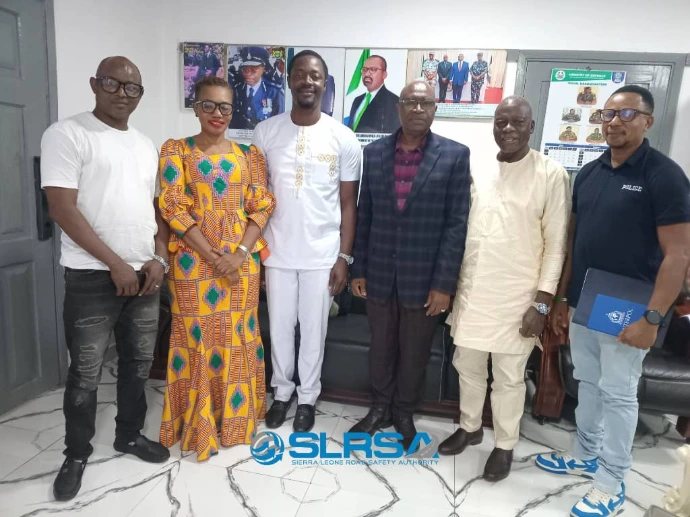
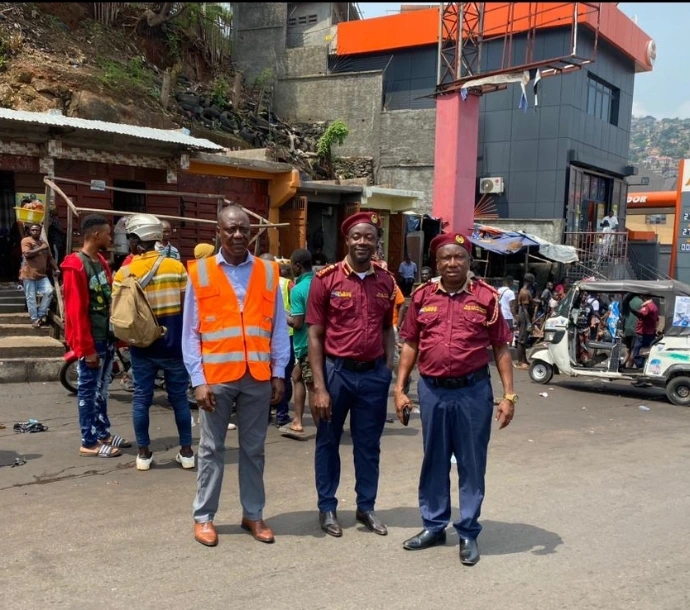
Executive Director SLRSA Launches Operation on Illegal Street Garages
The operation will continue in other areas where street Garages are located.
The operation brought together state actors in Road safety Management and stakeholders in the transport sector including Deputy Executive Director SLRSA and Head of Operations Mr. Josie A. Scott-Manga Director of Safety and Enforcement SLRSA; Mr. Augustine Kaitongi, Director of traffic and the Joint Operation Team of the Sierra Leone Police and Road Safety Corps.
On 7th June 2025
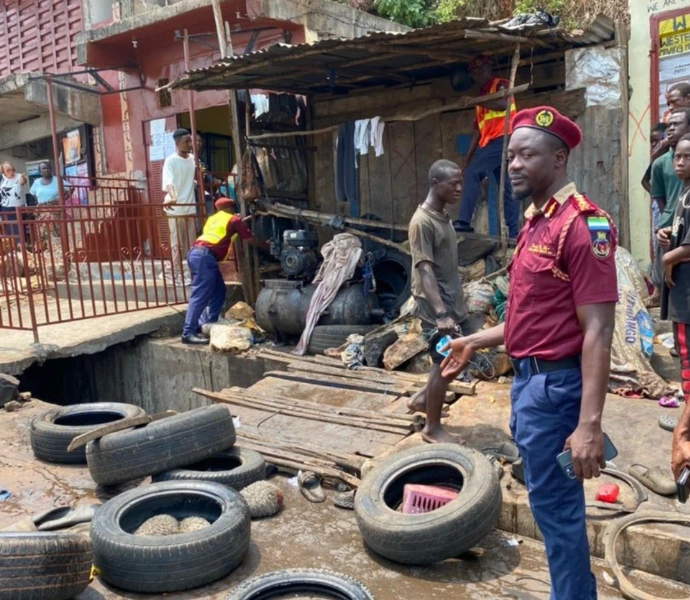
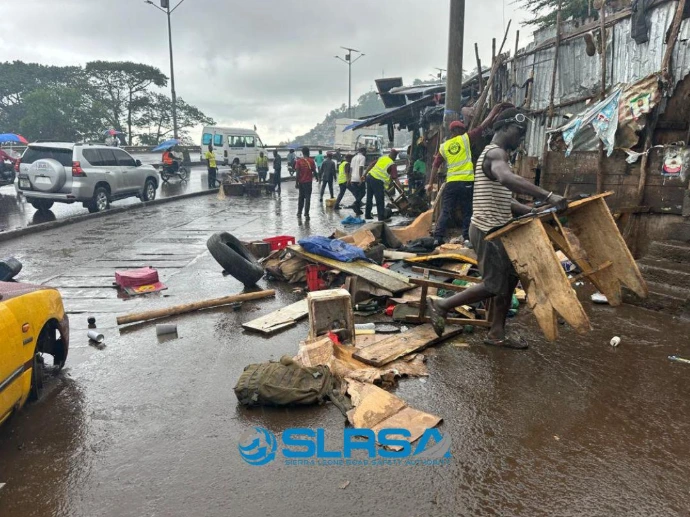
Clearing of illegal garages and the relocation of Bike Riders continues in Freetown
The Executive Director of the Sierra Leone Road Safety Authority, Mr. James Baggie Bio and team continues to make efforts in clearing illegal garages along the Model Junction.
The essence of the clearing exercise is to enable free flow of traffic and to ensure that Bike riders are being provided with suitable parking space to prevent accidents, road crashes and to prioritise the safety and security of pedestrians and other road users.
Road safety for every road user is a great concern of the Management of SLRSA and therefore, strident measures are being implemented in order to ensure that the roads are safe for all and at all times.
©️SLRSA Communications and Outreach Unit
SLRSA and Standards Bureau Join Forces to Ensure Quality Importation of Vehicle Spare Parts
The Sierra Leone Road Safety Authority (SLRSA) and the Sierra Leone Standards Bureau (SLSB) have officially entered into a strategic partnership aimed at enhancing the quality assurance and safety standards of vehicle spare parts imported into the country.
This collaborative move marks a significant step forward in improving road safety, reducing preventable accidents, and supporting national development through higher standards in the automotive sector.
The SLRSA, which serves as the regulatory authority for road safety, vehicle registration, driver licensing, vehicle inspection (roadworthiness), and enforcement, has joined hands with the SLSB — the national body responsible for standardization and quality control in products and services.
Speaking on the importance of the partnership, SLRSA Executive Director, James Bagie Bio said the collaboration will strengthen quality control measures and ensure strict compliance protocols for importers of vehicle spare parts.
“We want to ensure that all vehicle spare parts meet specified safety and performance standards. Our collaboration with the Standards Bureau underscores our commitment to saving lives and improving transportation services across the country,” Bio said.
He added that aligning local regulations with international quality standards will not only enhance consumer safety but also foster confidence in the industry and promote a sustainable automotive sector.
On his part, Dr. John Paul Kaisam, Executive Director of the SLSB, emphasized the Bureau’s commitment to building a safer and more efficient transportation system through standardization.
“Ensuring the quality of vehicle spare parts is a critical component of our efforts to reduce road hazards and support sustainable national growth. This partnership aligns with our broader vision of transforming Sierra Leone into a safer and more resilient nation,” Kaisam stated.
The initiative will involve joint inspections, certification processes, awareness campaigns for importers and consumers, and the enforcement of strict importation guidelines to ensure only compliant spare parts enter the Sierra Leonean market.
Both institutions reiterated their shared vision of a safer road network, a stronger automotive industry, and a healthier population — all underpinned by rigorous quality assurance and regulatory oversight.
Public Relations Intern
SLRSA Communications & Outreach
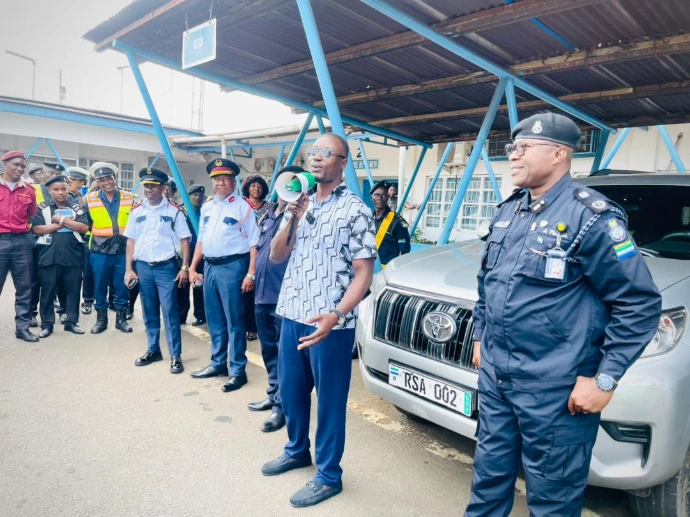
SLRSA ED James B. Bio meets with Importers to Sign MOU
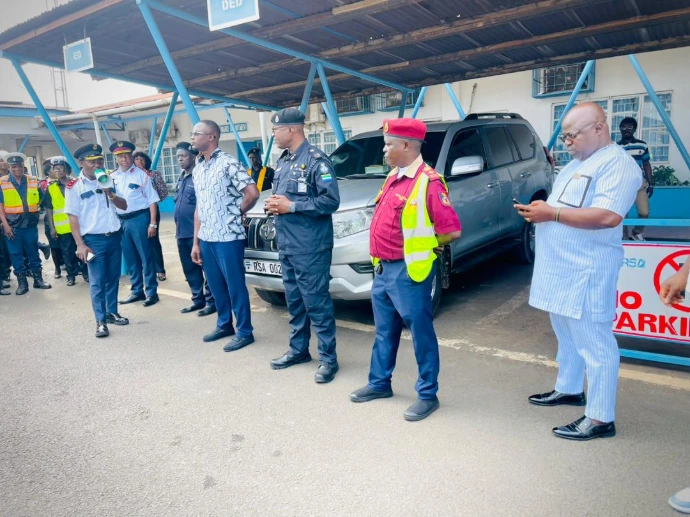
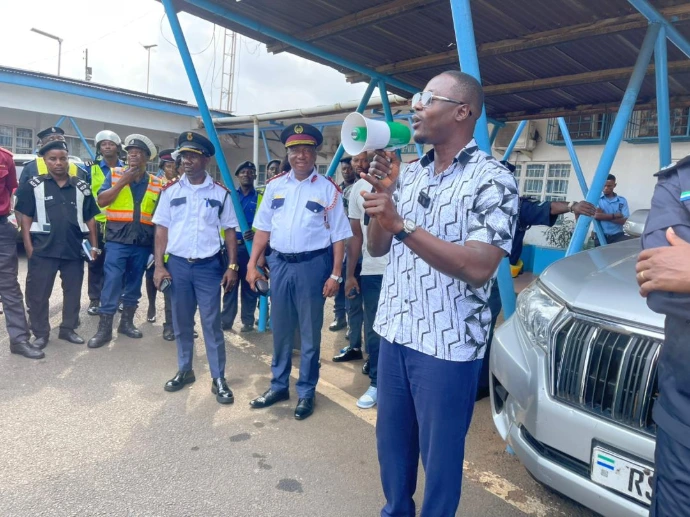
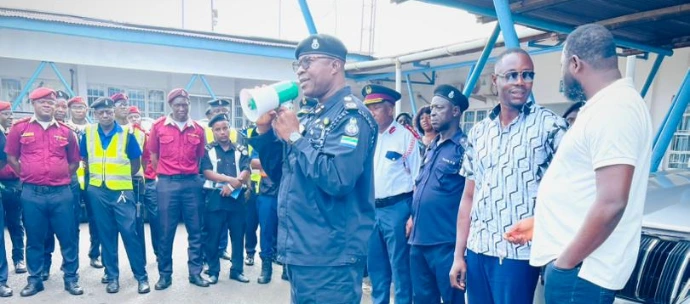
The Deputy Executive Director, Mr. Scott-Manga was tasked to engage all heads of stations in line with the new policies.
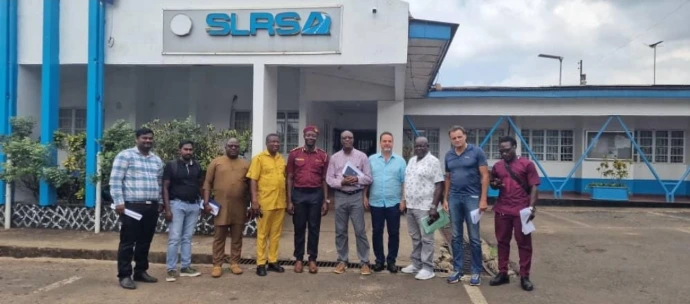
SLRSA Decentralizes Driver's License Services to Enhance Accessibility and Efficiency
The Sierra Leone Road Safety Authority (SLRSA) has initiated a significant decentralization effort for the capturing and printing of drivers' licenses, a move aimed at enhancing accessibility and efficiency nationwide.
This strategic expansion reflects the Authority's commitment to delivering services closer to citizens, reducing the need for extensive travel to central offices.
Installation of the necessary infrastructure is actively underway across all SLRSA offices, with the most recent operational deployment successfully completed in Port Loko.
This ongoing rollout underscores a systematic approach to modernizing and streamlining the licensing process. Once fully implemented, this decentralized system is expected to drastically improve service delivery times and convenience for applicants, while maintaining the secure and verifiable standards that the SLRSA has established.
This initiative represents a pivotal step towards a more accessible and efficient road safety administration in Sierra Leone.
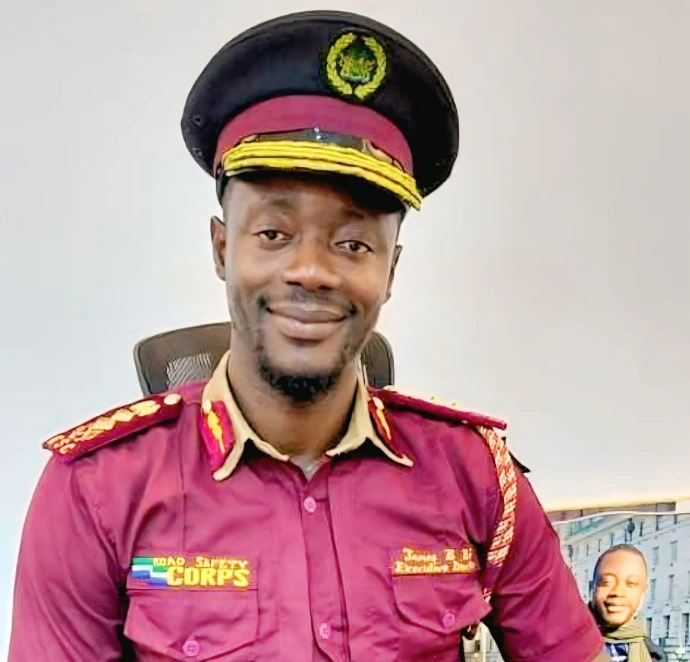
SLRSA Observes 6th Global Road Safety Week
This year's celebration, which began in Freetown and ended at Mile 91, included drivers and riders engagement and sensitization. The celebration's theme this year is "Drive Towards 30km/h. "The Masiaka Drivers Union President, Chairman of the Masiaka Bike Riders Union, and AIG Traffic were among those who attended the celebration. "In the past few months, there have been several cases of accidents from Masiaka to mile 91.
"Overspending and overloading by drivers are the leading causes of road accidents, according to him. Alpha Bah, the President of the Drivers Union, claimed there have been multiple accidents at Masiaka and Mile 91 that have resulted in fatalities. Overspending and overloading by driver are the leading causes of road accidents. He advised drivers to take precautions while travelling at 30 kilometres per hour. As a result, he requested that the SLRSA Executive Director establish a thorough road monitoring strategy. Alpha Bah went on to say that in order to avoid road accidents, drivers should stick to the speed limit.
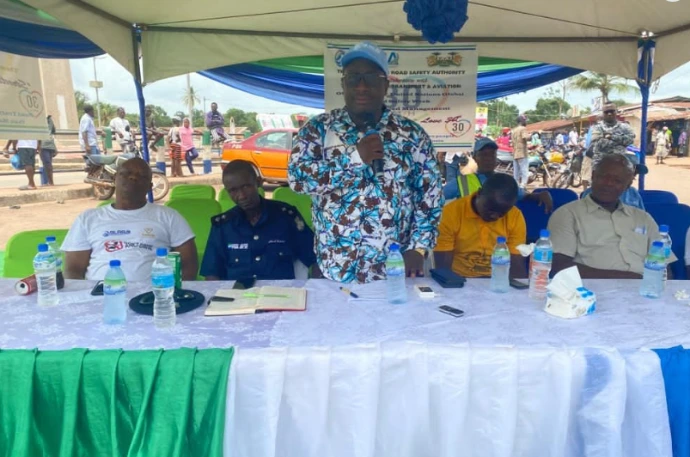
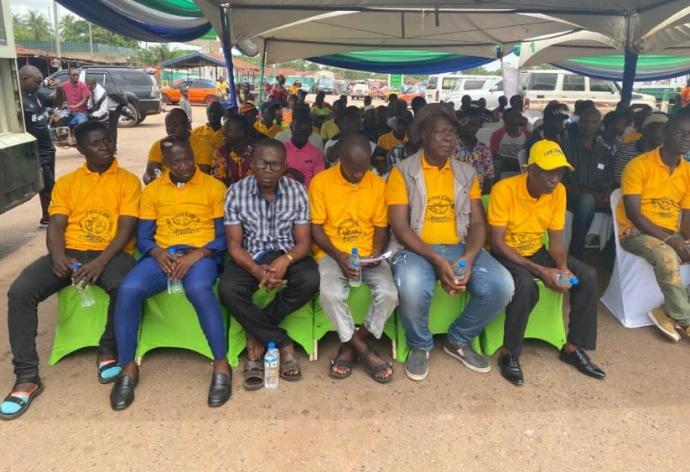
SLRSA Engages Bike Riders Ahead of Strategic Partnership MOU
The Sierra Leone Road Safety Authority (SLRSA) convened a crucial consultative meeting with the National Executive of the Sierra Leone Commercial Bike Riders Union, preceding the formal signing of a Memorandum of Understanding (MOU) designed to significantly enhance compliance with traffic regulations and promote road safety across the country.
The meeting held today on Tuesday, March 3rd 2026, at the SLRSA Headquarters in Freetown, provided a platform for senior representatives from both organizations to address critical issues impacting riders, including registration processes, adherence to safety standards, and fostering peaceful cooperation with law enforcement.
Mr. James Bagie Bio, the Executive Director of SLRSA, commended the Union's leadership and emphasized that the forthcoming MOU represents more than a document; it signifies a commitment to mutual respect, accountability, and productive collaboration. Director Bio also highlighted the Authority's strategic decentralization of the Driver's License process, including the utilization of Mobile Stations, as a management commitment to improving service accessibility, efficiency, and effectiveness for all valued customers.
In response, the President of the Bike Riders Union, Mr. Ishmeal Sandy, welcomed the partnership, assuring SLRSA of his membership's readiness to support government efforts. Mr. Sandy applauded the decentralization initiative as a timely development and requested continuous sensitization and further engagements to address the challenges and welfare concerns of his membership.
This consultation is a key preparatory step before the official MOU signing, the date for which will be communicated subsequently.
SLRSA Executive Director highlights reforms and successes
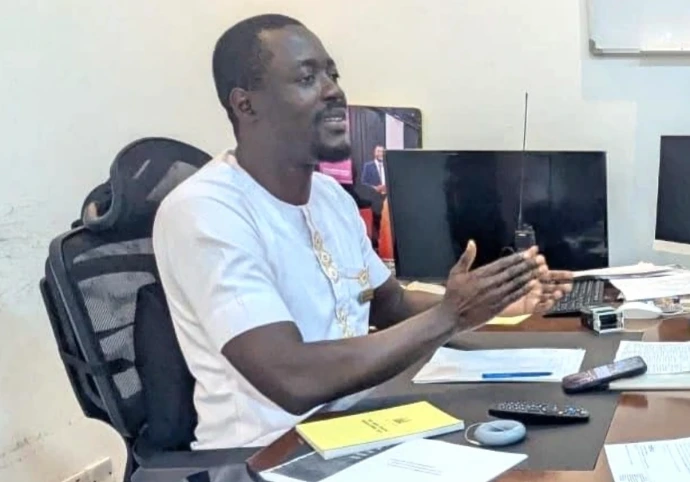
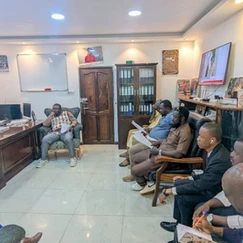
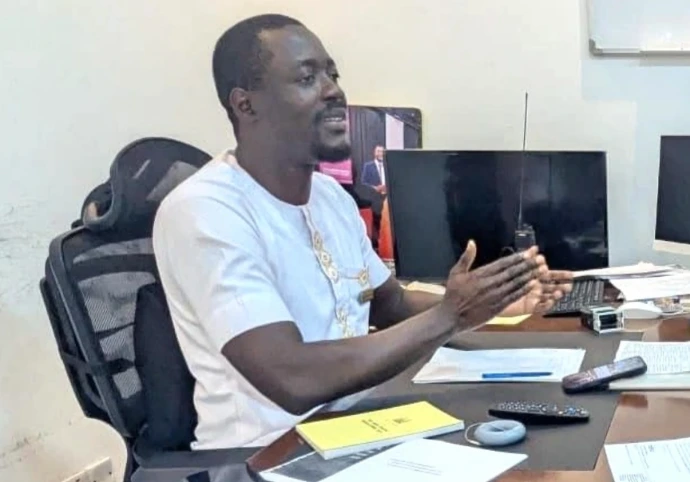
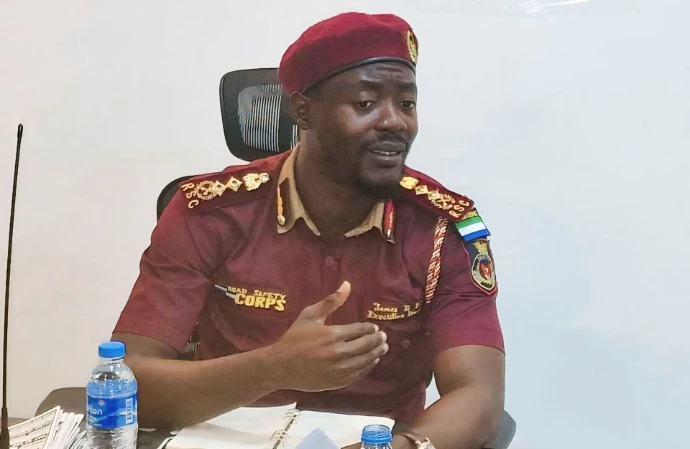
The Executive Director of the Sierra Leone Road Safety Authority (SLRSA), James Bagie Bio, has outlined a series of transformative reforms and notable achievements aimed at strengthening road safety and improving service delivery across Sierra Leone.
Dilating on the Radio Democracy Good Morning Show , Bio emphasised that his administration has prioritised modernisation, enforcement, and public safety as core pillars in repositioning the Authority.
One year into office, Bio said he has implemented a wide-range of reforms designed to enhance operational efficiency and improve road safety outcomes nationwide.
Key among them, he said was the modernisation of Motor Vehicle Testing (MOT) centres in strategic locations, including Freetown and Mile 38 through public-private partnerships.
Other notable initiatives, he said include the introduction of mobile vehicle services, decentralization of SLRSA operations across districts, and the rollout of smart payment systems for traffic offenders.
He also highlighted the establishment of a toll-free call centre aimed at improving public access to services and emergency response.
On the Authority’s strategic approach to road safety, Bio noted that upon assuming office, he initiated a comprehensive transformation strategy focused on robust enforcement, public education, institutional reforms, and stakeholder collaboration.
To reduce road accidents, he said the Authority introduced mandatory vehicle fitness testing and intensified joint operations with the Sierra Leone Police.
“These efforts have led to the removal of abandoned vehicles and roadside obstructions, thereby improving traffic flow and safety,” he said.
He further noted that the Authority has scaled up public education campaigns, including sensitization on traffic light usage, discouraging the use of unlicensed vehicles, and engaging school pupils nationwide on road safety awareness.
“These initiatives are reinforced through regular programs on television and radio stations across the country.”
In the area of institutional strengthening and revenue growth, Bio disclosed that one of his first actions in office was signing performance contracts with heads of departments within the Authority.
That, he said, has significantly improved accountability and contributed to a 130% increase in revenue generation.
He also emphasized efforts to review conditions of service, improve staff welfare, and expand SLRSA services to all districts through decentralization.
On the impact and achievements, the Executive Director reported a noticeable decline in road accident rates, attributing that to sustained public awareness campaigns on the dangers of speeding, stricter enforcement measures, and increased highway patrols along major corridors.
He stressed that those reforms underscore a renewed commitment to transforming road safety governance in Sierra Leone, positioning the SLRSA as a key driver of public safety and efficiency within the transport sector.
Highlighting the challenges, Bio noted that the Authority, like other law enforcement agencies, faces numerous difficulties, particularly in the course of carrying out its enforcement duties.
He stated that although officers are well trained and continue to receive frequent training, they still encounter challenges in the performance of their duties. According to him, those challenges often arise from public perception, as people tend to have differing views about officers, especially when vehicles are stopped for inspection.
Addressing public concerns about delays in obtaining driver’s licences, Bio acknowledged that challenges emerged during efforts to improve and secure the licensing system. He explained that some individuals exploited the transition period by collecting money illegally, despite repeated warnings that payments should be made only through official bank channels.
He urged the public to remain vigilant and to always follow proper procedures when processing their driver’s licences.
Bio reaffirmed the Authority’s commitment to sustaining reforms, strengthening enforcement, and deepening public engagement to ensure safer roads for all. He called on citizens to support the SLRSA’s efforts by complying with road safety regulations and using official channels for all services.
Key Metrics of SLRSA
Achievements
Our key metrics, from revenue growth, customer satisfaction and license expansion are in the increase. It is our commitment to sustainable services
500+ Online Customers
have enjoyed our Mobile License Services and our Online License Registration Services is now on…..
+25,000
We have proudly issued out driver's license and first aid kits to over 25,000 customers.
70%
70% of Road Clearance and Vehicle Clamping within Sierra Leone